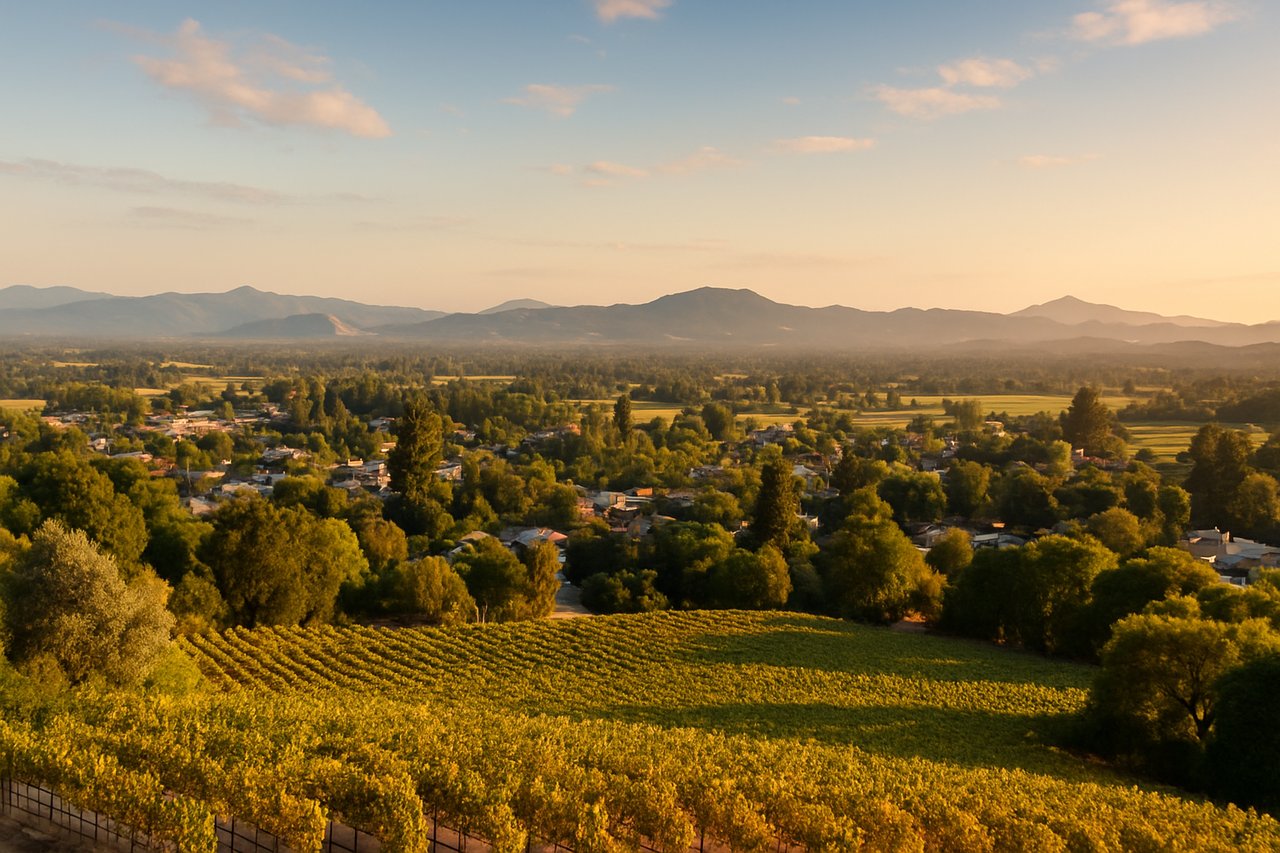
20 Years of Change in Sonoma County Real Estate—and Why People Still Choose to Live Here
Nima Kazeroonian November 3, 2025
Nima Kazeroonian November 3, 2025
If you’ve been in Sonoma County as long as I have, you’ve watched our housing market evolve through booms, busts, wildfires, and a pandemic—and still come out resilient. Here’s a clear, candid look at what changed over the last two decades and why Sonoma County remains one of California’s most desirable places to call home.
From the early-to-mid 2000s, prices rose fast across the North Bay. The momentum reversed during the 2008–2011 downturn, when distressed sales weighed on values countywide. You can see the arc in the long-run home price index—today’s level is roughly 2.6× the year-2000 baseline, reflecting both the post-recession recovery and later pandemic-era gains. FRED
Inventory remained tight while the regional economy improved and Bay Area buyers rediscovered the value in wine-country living compared to core SF/Peninsula prices. By the late 2010s, median resale prices were firmly back above pre-recession peaks. Recent EDD data points to a 2020–2024 median stepping from the low-$700Ks to the $800Ks, illustrating that multi-year climb. labormarketinfo.edd.ca.gov
The Tubbs Fire was a trauma for our community—destroying thousands of homes, with roughly five percent of Santa Rosa’s housing stock lost. But rebuilds moved quickly in neighborhoods like Coffey Park, where most homes were back within three years, helped by streamlined permitting and standardized plans. Those lessons continue to inform resilient construction and planning across the county. Wikipedia+1
When remote work took off, many Bay Area residents looked north for space, yards, and lifestyle. Net migration pressures eased by 2023, and local economists noted improvement from the outflow peaks earlier in the decade—one reason demand for Sonoma single-family homes stayed durable even as mortgage rates rose. sonomaedc.org+1
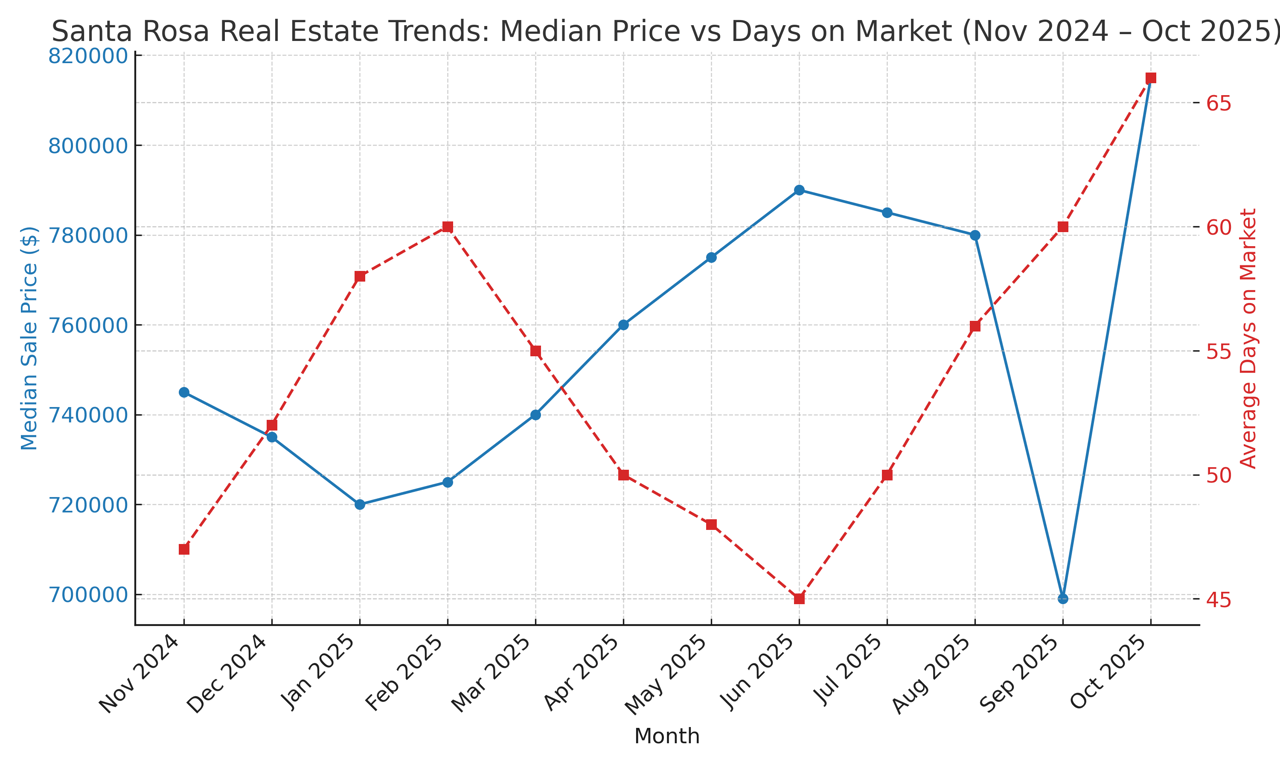
Higher borrowing costs cooled turnover and stretched “days on market,” but Sonoma’s price floor remained supported by limited supply, strong lifestyle appeal, and ongoing Bay Area wealth. Real-time dashboards (Redfin, etc.) show month-to-month wobble, yet the broader 20-year curve is clearly up and to the right. Redfin+1
ADU-friendly laws: Since 2017, California has repeatedly streamlined ADUs (and JADUs)—faster approvals, fewer parking hurdles, and broader lot eligibility. For homeowners, that means new paths to multigenerational living or rental income that simply didn’t exist 10–15 years ago. ahcd.assembly.ca.gov+1
SMART rail connectivity: Launched in 2017 and extended in 2019, SMART added a reliable commuter spine from the Sonoma County Airport area down through Marin to the Larkspur Ferry—another lifestyle and commuting option that didn’t exist a generation ago. Sonoma-Marin Area Rail Transit+1
1) Wine country culture & food scene. With more than 425 wineries across 18 AVAs and a dining scene that keeps evolving, our hospitality economy is a job engine and a lifestyle perk for residents. Tourism topped $2.4B in 2024, with over 10 million visitors—proof that people want what we have here. Sonoma County Tourism+1
2) Coast, redwoods, and open space. From the Sonoma Coast’s miles of beaches and bluffs to protected redwood forests and headlands, outdoor access is off the charts—and keeps expanding through conservation. These natural assets are a permanent draw for buyers seeking wellness, recreation, and beauty close to home. parks.ca.gov+2stewardscr.org+2
3) Balanced pace, real neighborhoods. Compared to core Bay Area metros, Sonoma offers more yard, more sky, and strong community identity—whether that’s Bennett Valley soccer on Saturdays, West County farm stands, or Healdsburg’s plaza evenings. Remote-friendly work only enhances that value proposition. sonomaedc.org
4) Sustainability and stewardship. Nearly all vineyard acreage is now certified sustainable, and land conservancies continue to knit together larger protected corridors. That long-term mind-set helps preserve the landscapes people move here to enjoy. Sonoma County Vintners
Buyers: Expect competition for well-located, move-in-ready homes, especially those with ADU potential, good school access, or walkability to town cores. Creative strategies (rate buydowns, ADU pro formas, local lender pre-underwrites) can make the math work in today’s rate environment. ahcd.assembly.ca.gov
Sellers: Turnkey condition and lifestyle storytelling win. Highlight energy upgrades, defensible space/wildfire hardening, and any ADU/JADU readiness. Pricing to the most recent, hyper-local comps—and timing around peak seasonal traffic—still drives the best outcomes. Reuters
If you’re curious what your home is worth—or you’re thinking about a move into Sonoma County—reach out. I’ll give you the facts, the strategy, and the follow-through.
Nima Kazeroonian
Broker Associate, Coldwell Banker Realty | CA DRE #01491305
📱 707-486-9055 • www.nima.homes
Sources: long-run price index (FRED), county medians (CA EDD), wildfire impact and rebuild coverage (CalFire/Wikipedia/Reuters), SMART (SMART/MTC), ADU policy (CA HCD & research), tourism & winery data (Sonoma County Tourism), coastal parks & conservation (CA State Parks, Save the Redwoods).

Along with this checklist, seeking guidance from a professional is always a good idea!


Gov't Shutdown

Less competition, motivated participants, and market insights for the season

When to hire Nima, secure pre-approval, and navigate the North Bay market

Exploring the pros and cons of homeownership versus renting across different time horizons
Whether you're buying, selling, or exploring options, Nima is dedicated to making the process smooth, informed, and rewarding. Reach out today for a personalized consultation and let’s make your real estate goals a reality!