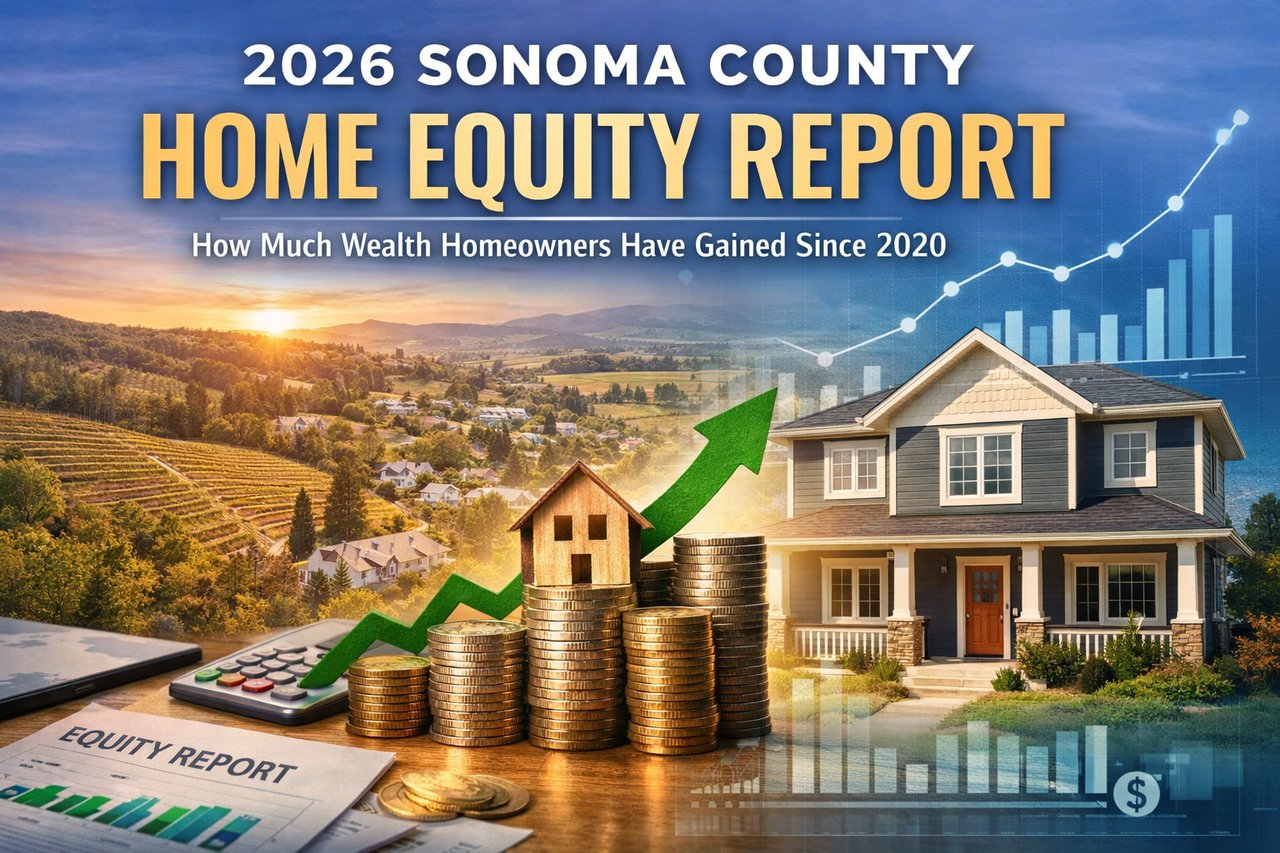
2026 Sonoma County Home Equity Report: How Much Wealth Homeowners Have Gained Since 2020
Nima Kazeroonian March 4, 2026
Nima Kazeroonian March 4, 2026
2026 Sonoma County Home Equity Report: How Much Wealth Homeowners Have Gained Since 2020
If you bought your home in Sonoma County before 2020, there’s a good chance your home equity is sitting at (or near) an all-time high. The pandemic-era boom shifted the market for years: demand surged, inventory stayed tight, and prices climbed faster than most people expected.
And even though the 2026 market feels different—mortgage rates move in headlines, buyers are more selective, and affordability matters more than ever—homeowners who’ve stayed put have quietly built real wealth through equity.
This report breaks down what “home equity” actually means, how it typically grows over time, what it can do for you in 2026, and how to avoid the common mistakes that cause Sonoma County sellers to leave money on the table.
Home equity is simply your home’s value minus what you owe on it.
Home equity = Current market value − (Mortgage balance + any HELOCs/seconds)
Equity builds in two main ways:
Add those together, and you get the “wealth building” story most homeowners don’t fully appreciate until they go to sell.
Every street and neighborhood is unique, but across Sonoma County the trend has been remarkably consistent since 2020:
Result: homeowners typically saw meaningful equity growth, especially if they bought before the sharp run-up in prices or if they have made regular principal payments over several years.
Even in cases where prices plateau in a given season, equity continues to grow for many homeowners because of one overlooked factor: loan amortization. Your mortgage balance is always moving down (even if slowly), which means your equity can climb even in “flat” markets.
Equity is flexible—it can be used strategically when your life changes.
Here are the five most common “equity moments” I see in Sonoma County right now:
The key in 2026 is making sure equity doesn’t just look nice on paper—it should support your next move financially, logistically, and emotionally.
Sonoma County is a high-trust, high-stakes market. Small decisions have big dollar outcomes. In my experience, sellers leave equity behind most often because of:
Equity is “stored value,” but converting it into real money depends on execution.
A quick, rough calculation:
If you want a clean number you can use to plan, I’ll put together a free equity and net-proceeds estimate based on your address, loan balance, and timeline.
Not every dollar spent on a house becomes equity. Some upgrades are visible and valuable; others are invisible or purely cosmetic.
The highest-return projects in Sonoma County tend to be:
The common thread? These upgrades reduce buyer friction. When buyers feel confident, they’re willing to compete.
Today’s market is smarter, not colder. Buyers are well-informed, lenders are cautious, and every listing competes for attention. In this environment, equity gives you options:
In short: equity supports better decisions.
If you’re thinking about moving in 2026 or 2027, here’s an easy process:
Week 1
Week 2
A clear plan reduces stress and helps you keep more equity.
Online home value tools can be helpful, but they don’t capture:
They can give you a range, but serious decisions deserve precision. If you’re within 6–12 months of a possible move, the best next step is a conversation.
Sonoma County homeowners have, in many cases, built significant equity since 2020—sometimes faster than they realize. In 2026, the winners are the homeowners who treat that equity like the valuable asset it is: a tool for options, stability, and smart planning.
If you’d like a no-pressure equity review and a clear picture of what selling, upgrading, or downsizing would look like for you this year, reach out and I’ll break it down based on your goals.
This report is for educational purposes and isn’t financial, legal, or tax advice. Always consult your professional advisors for guidance specific to your situation.
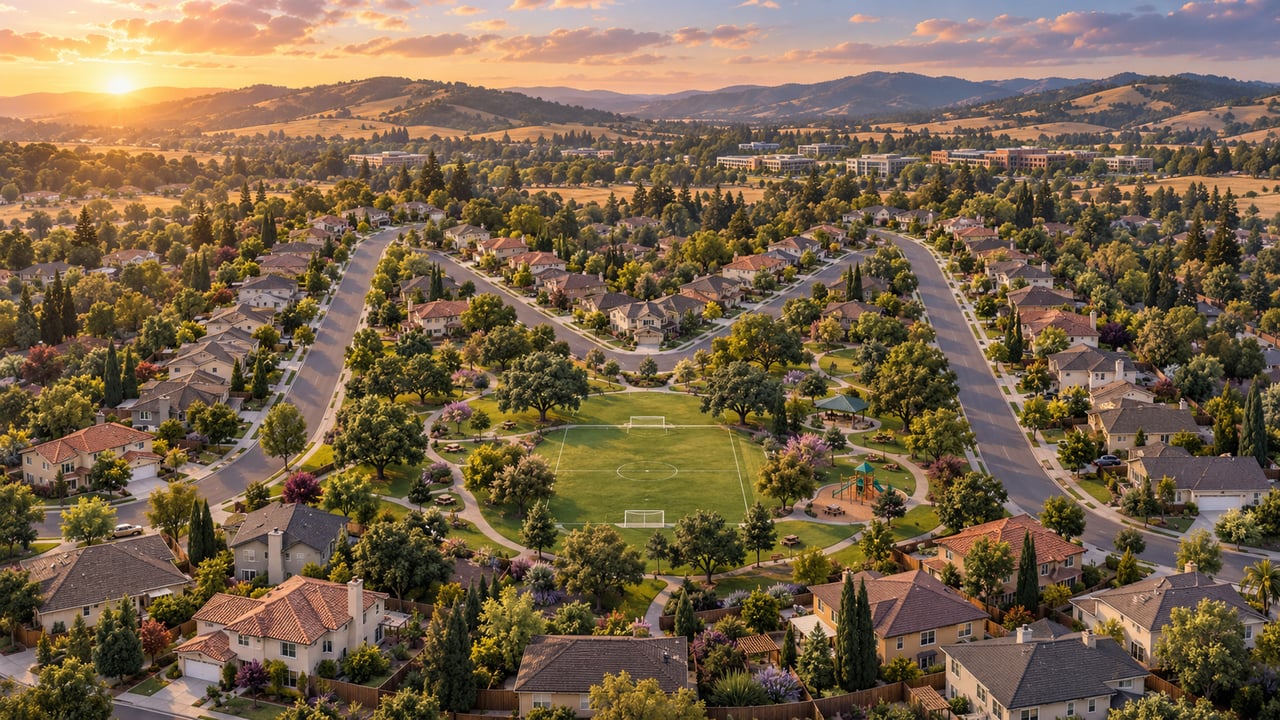
Discover what it is like to live in Rohnert Park’s M Section, including its homes, Magnolia Park, nearby schools, location, parking rules and current real estate consi… Read more

Mortgage rates may remain elevated after the Fed’s September 2026 rate increase, but correctly priced homes in Santa Rosa, Rohnert Park, Petaluma, Windsor, Cotati, and… Read more
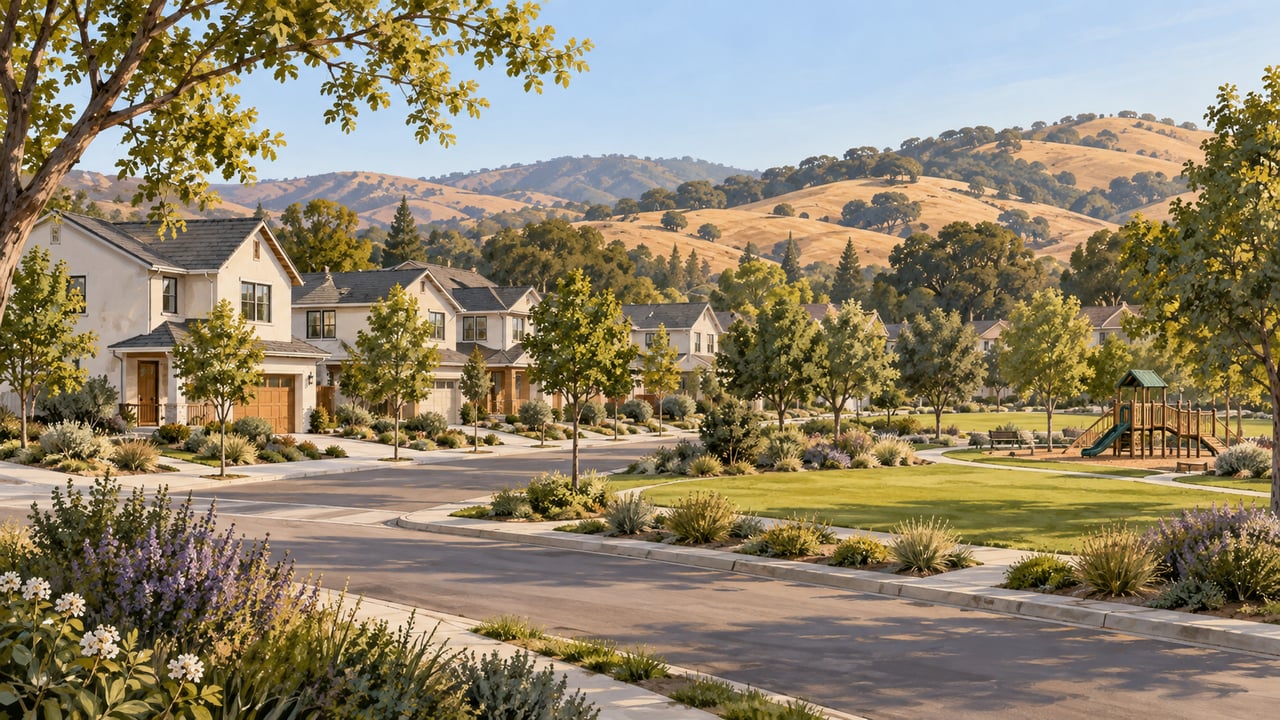
Explore K Section’s location, Twin Creeks Park, nearby Sonoma State and the ownership costs to understand before buying.
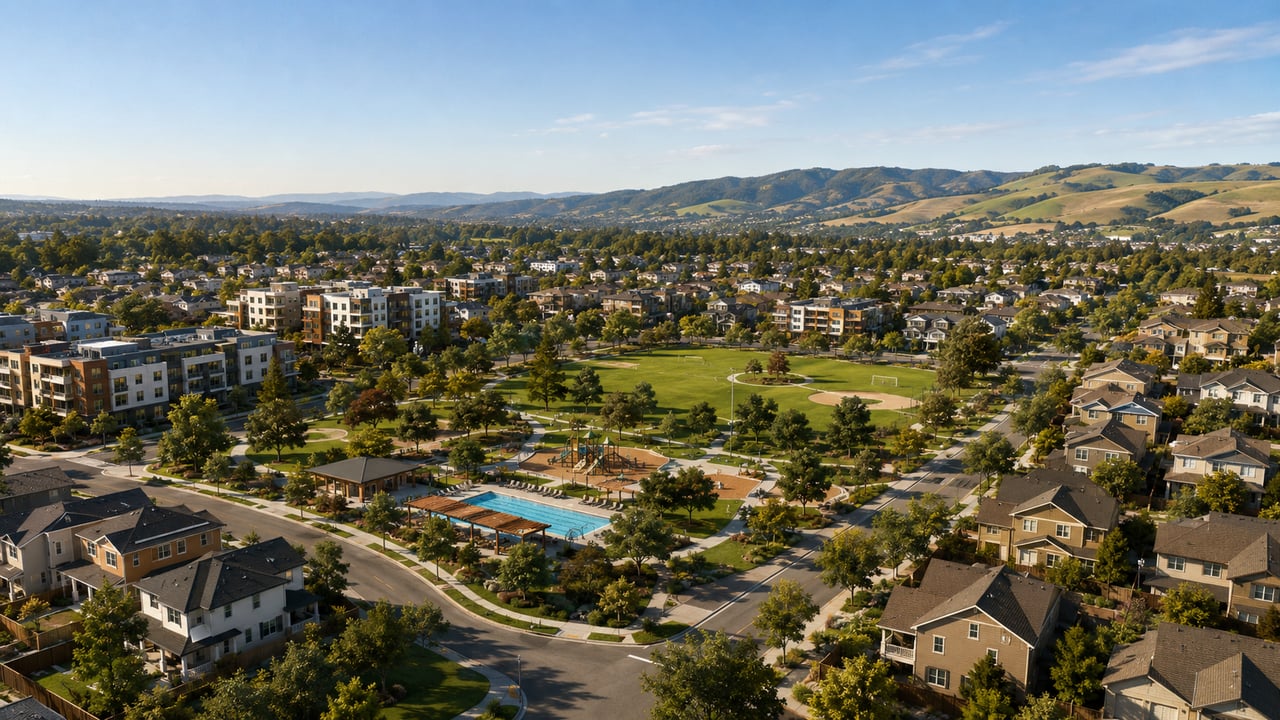
A local look at M Section housing, Magnolia Park, nearby schools, current prices and what Rohnert Park buyers and sellers should know.

An updated look at today’s mortgage rates, the economic forces controlling them, what forecasters expect through 2027 and why timing the market may cost Sonoma County … Read more

A local comparison of 2026 home prices, housing choices, neighborhoods, commute options, schools and everyday lifestyle across three popular Sonoma County communities.
A City-by-City Guide to Houses, Condos and Townhomes Under $700K in Santa Rosa, Rohnert Park, Cloverdale, Cotati, Windsor and the Russian River

A Local Guide to Penngrove Real Estate Around $1 Million — Including Home Sizes, Acreage, ADU Potential, Wells, Septic Systems and What Buyers Should Expect Before Mak… Read more
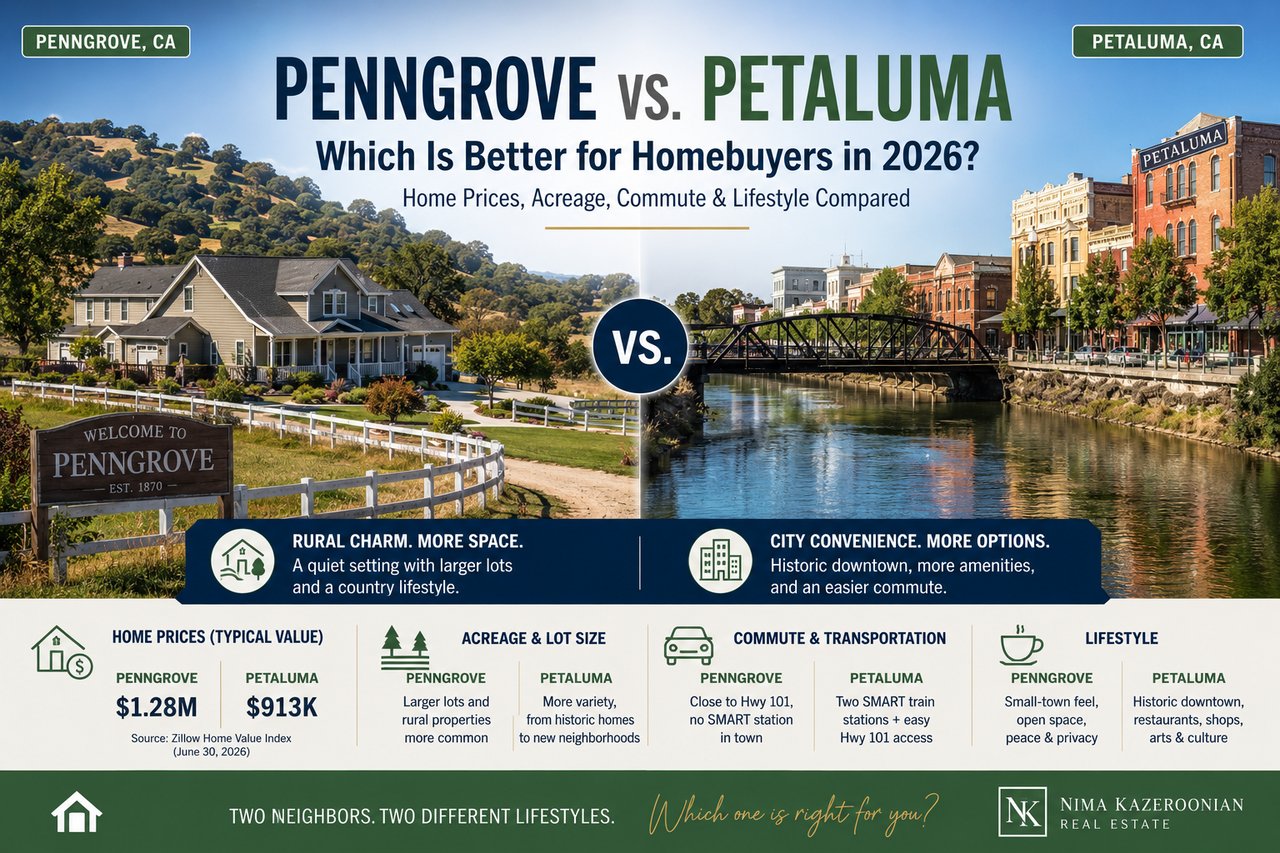
Penngrove offers more of the rural Sonoma County experience and larger-property opportunities, while Petaluma gives buyers a larger housing market, historic downtown, … Read more
Whether you're buying, selling, or exploring options, Nima is dedicated to making the process smooth, informed, and rewarding. Reach out today for a personalized consultation and let’s make your real estate goals a reality!