Historical Mortgage Rates (1970s–2026): Santa Rosa Trends & 2026 Outlook
Nima Kazeroonian June 15, 2026
Nima Kazeroonian June 15, 2026
Home loan rates feel like the heartbeat of the housing market. When rates drop, buyers rush in and affordability improves. When rates climb, monthly payments jump and inventory often sits longer. Because so much of real estate is tied to confidence and costs, understanding the story behind mortgage rates—where they’ve been and what could move them next—is one of the best ways to make smarter decisions as a buyer, seller, or homeowner.
In this post, I’m going to walk through the key eras of mortgage rates from the 1970s through today, then share a practical outlook for 2026 and what it means for your next move in Santa Rosa and the wider North Bay.
A quick note: this is informational and not financial advice. Always consult your lender or financial professional for specifics.
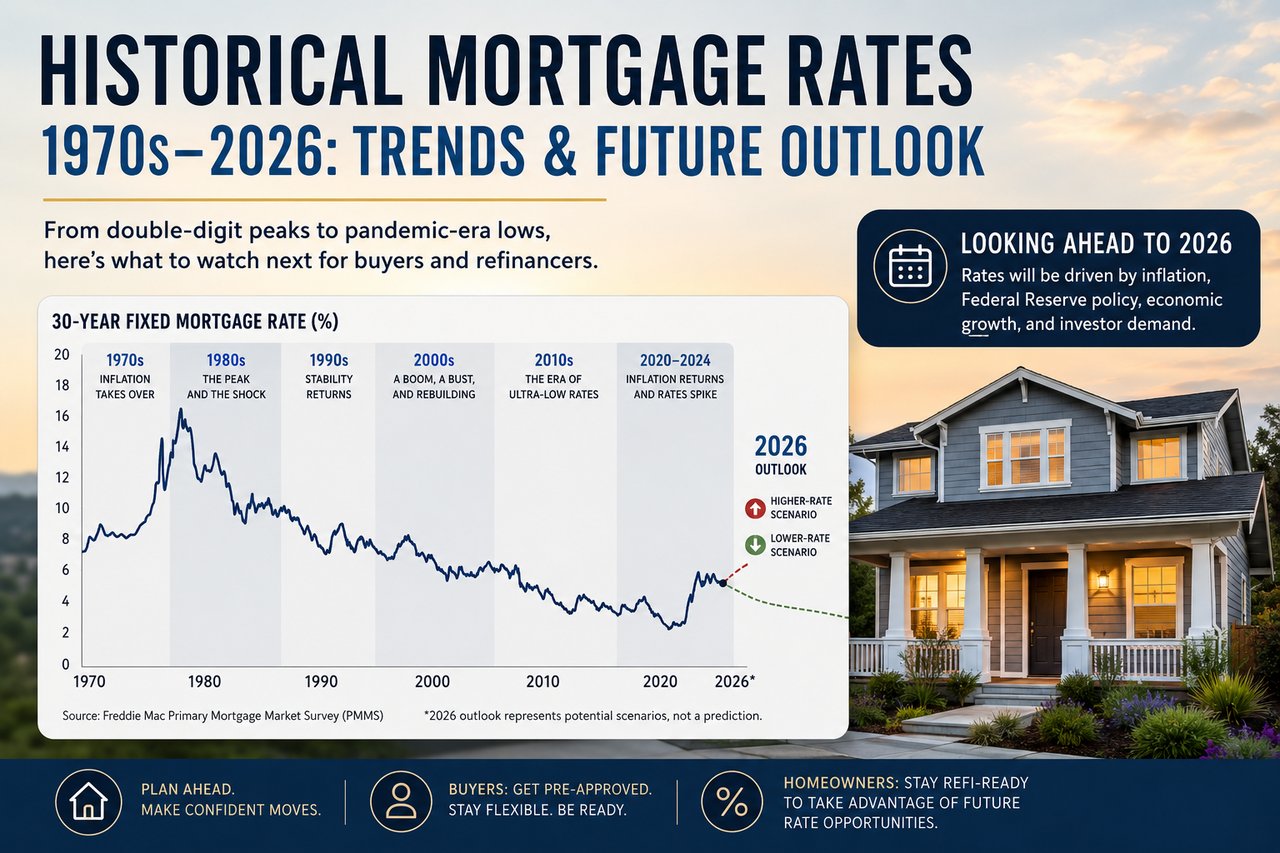
1970s: Inflation takes over The 1970s were defined by high inflation. When prices rise fast, the Federal Reserve often raises interest rates to cool the economy. That pressure showed up in home loans, too—mortgage rates climbed through much of the decade, making financing a home significantly more expensive.
1980s: The peak and the shock The early 1980s delivered the biggest “shock” most of us have ever seen in mortgage rates. To fight inflation, Fed policy rates went extremely high, and mortgage rates followed. Some borrowers saw rates in the mid-to-high teens. It’s a number that sounds almost unbelievable now, but it’s an important reminder: mortgage rates are ultimately about economic forces like inflation and bond yields, not just housing demand.
By the late 1980s, rates started easing as inflation came under control, bringing payments down even without falling home prices.
1990s: Stability returns Compared to the wild swings of the previous two decades, the 1990s were relatively calm. Rates were generally stable—often in single digits—and the long-run decline in inflation helped keep borrowing costs manageable.
This period also helped establish the idea that a “normal” mortgage rate might be somewhere in the 6%–8% range, depending on market conditions.
2000s: A boom, a bust, and rebuilding The 2000s had a classic storyline: a housing boom early in the decade, then the Great Recession. Mortgage rates were fairly low during the boom, helping fuel demand. After the recession hit, rates dropped further as the Fed cut rates and bond yields fell.
One of the biggest lessons of this era: rates can fall during economic hardship, but lending standards can tighten at the same time. Even if rates are low, not everyone will qualify.
2010s: The era of ultra-low rates If you bought or refinanced in the 2010s, you probably remember how low rates felt. The combination of slow growth, low inflation, and ongoing bond buying programs helped push mortgage rates down to levels many buyers had never seen before.
The downside of low rates is competition—when money is cheap, more buyers can afford to compete. Prices can rise faster because payments stay manageable.
2020–2021: Record lows and huge demand The pandemic years took “low rates” and pushed them to record territory. With rates around 2%–3% at times, monthly payments dropped dramatically. Buyers moved fast, bidding wars escalated, and inventory tightened as current homeowners held onto their ultra-low loans.
One trend from this era still matters today: many homeowners have little incentive to sell because their locked-in rate is so much lower than what they could get now. That contributes to tight supply.
2022–2024: Inflation returns and rates spike When inflation surged again, mortgage rates moved sharply higher. Many buyers were caught off guard—payments jumped, and affordability became a major challenge. If you saw homes sitting longer on the market or price reductions, this shift in financing costs was a huge driver.
Even though demand softened, inventory didn’t flood the market because so many owners had ultra-low rates and stayed put.
What could drive mortgage rates in 2026? No one can predict exact mortgage rates, but we can outline the big “switches” that move them:
• Inflation: If inflation cools back toward the Federal Reserve’s target, rates can follow lower. If inflation stays sticky, rates may stay elevated. • Federal Reserve policy: The Fed doesn’t set mortgage rates directly, but its decisions influence bond yields and investor expectations. Rate cuts can help; continued tightening tends to keep mortgage rates higher. • Economic growth and unemployment: Strong growth can keep rates from falling, while rising unemployment can push rates lower if the economy weakens. • Mortgage-backed securities demand: When investors want the relative safety of bonds, yields can fall, bringing mortgage rates down. When investors expect higher inflation or demand higher returns, yields—and mortgage rates—rise.
My practical outlook for 2026 Assuming the economy avoids a major downturn, mortgage rates may remain “range-bound” rather than returning quickly to the record lows of 2020–2021. A reasonable expectation is for rates to move within a broad band, influenced by inflation data and Fed actions throughout the year.
That said, there are two scenarios worth keeping in mind: • Lower-rate scenario: A meaningful slowdown in inflation or economic growth could pull rates down. • Higher-rate scenario: If inflation re-accelerates or the economy runs hotter than expected, rates could push higher again.
What to do as a buyer in Santa Rosa If you’re buying in Santa Rosa, the key is planning for rate variability. Here are strategies I see working:
For homeowners: refinance readiness Even if you’re not buying, having a plan matters. If rates drop meaningfully, you’ll want to be “refi-ready” (documentation, credit, and equity expectations), so you can move quickly and capture savings before lenders get overwhelmed.
Bottom line Mortgage rates have been on a long journey—from double-digit pain to record-setting lows and back to a more volatile, inflation-driven era. The smartest approach is to prepare for the range, not the headline.
If you want help timing your move or making a plan around rates, reach out anytime and I’ll connect you with trusted lenders who can run the numbers specific to your situation here in the North Bay.

Along with this checklist, seeking guidance from a professional is always a good idea!


Gov't Shutdown


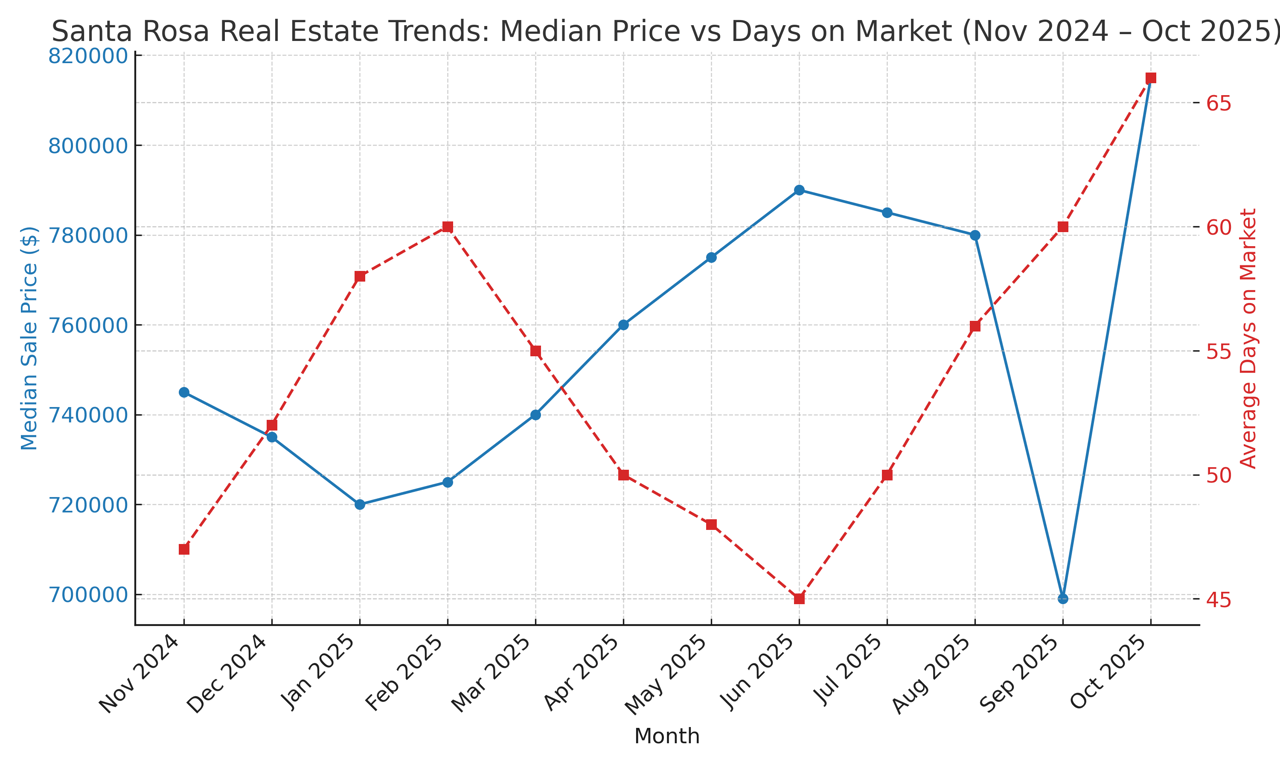
Less competition, motivated participants, and market insights for the season
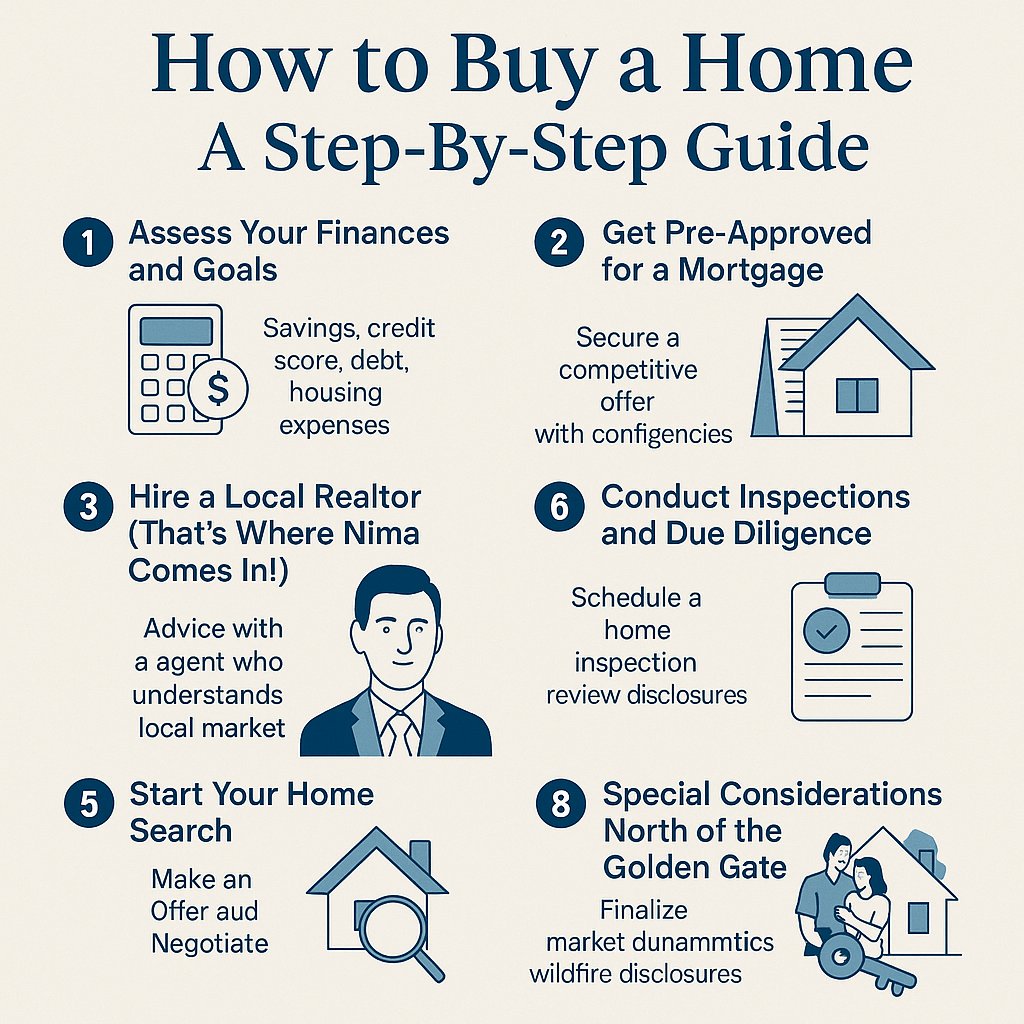
When to hire Nima, secure pre-approval, and navigate the North Bay market
Exploring the pros and cons of homeownership versus renting across different time horizons
Whether you're buying, selling, or exploring options, Nima is dedicated to making the process smooth, informed, and rewarding. Reach out today for a personalized consultation and let’s make your real estate goals a reality!