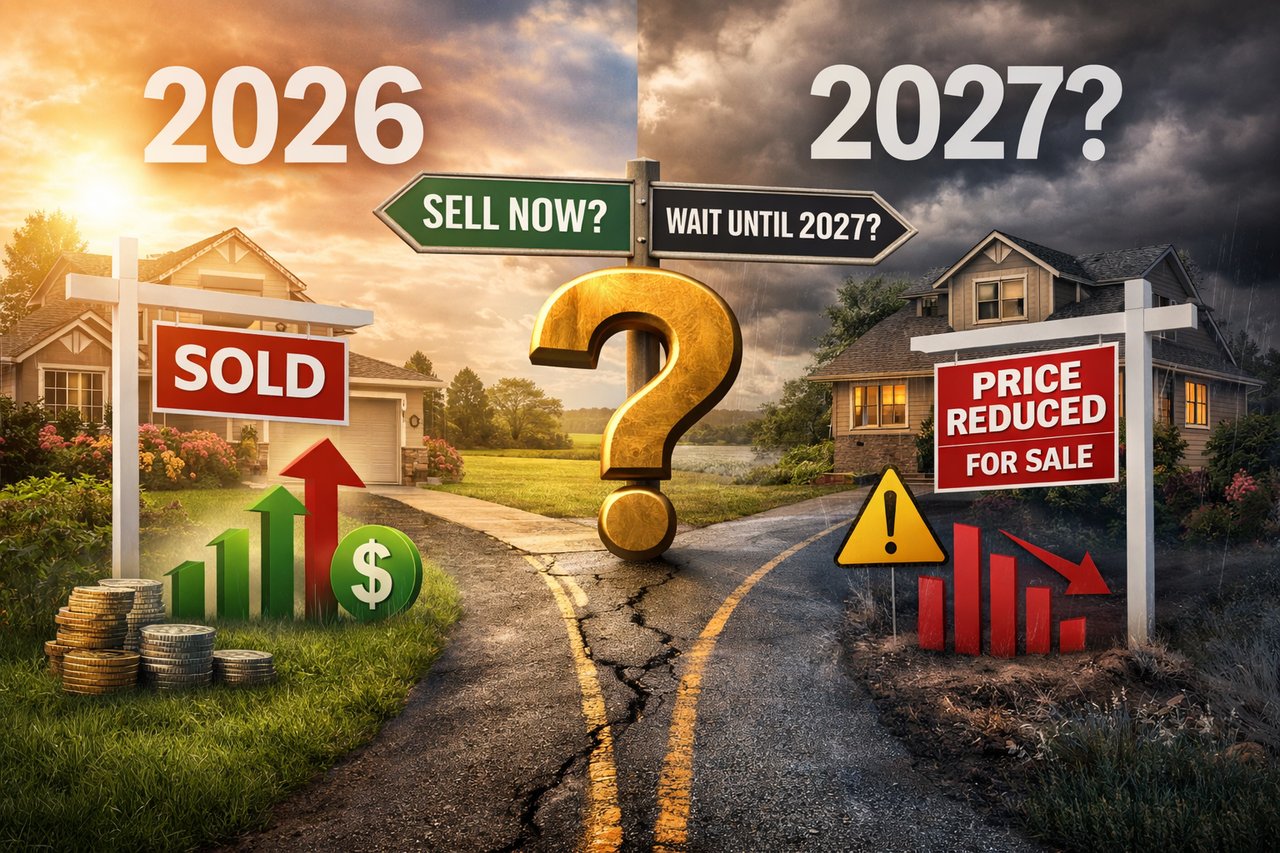
If You Wait Until 2027 to Sell in Sonoma County, Here’s What It Could Cost You (Santa Rosa Market Timing Strategy)
February 26, 2026
February 26, 2026
If you’ve been thinking about selling your Santa Rosa or Sonoma County home—but you’re “just going to wait until next year”—this post is for you. YOUR HOME VALUE
A lot of homeowners assume waiting is safer: maybe rates will drop, prices will go up, and there will be “more buyers.” But in real estate, timing isn’t just about hope. It’s about leverage. And leverage is created by one thing: demand that shows up when you’re ready to sell, not someday down the road.
When you wait to sell, you’re not simply delaying a decision. You’re making a choice with a potential cost—sometimes a very real, very measurable cost. Let’s break down the core risks of waiting until 2027 to sell your home, and how you can think strategically about timing the market in Sonoma County.
There’s a pattern that repeats in every cycle: sellers feel great when headlines are optimistic, and they feel nervous when headlines turn. But demand doesn’t work like a light switch. It can shift gradually, then suddenly.
Even in a year that feels “stable,” demand can change based on:
Interest rate movement
Local job trends
New construction
Buyer fatigue (yes, that’s a real thing)
Seasonal timing
Listing inventory surges in your price band
If demand softens while you’re waiting, your home can go from getting multiple offers to getting a “maybe” buyer—one buyer who points out every flaw, negotiates hard on credits, and slows down your timeline.
Waiting introduces risk because you’re assuming future demand will be equal or better than today’s. Sometimes it is. But when it’s not, the cost shows up in the form of longer days on market and more concessions.
The number one thing people underestimate about timing is how it affects negotiation.
When you list in a stronger demand environment:
You can price more confidently
You have leverage on terms (shorter contingencies, fewer credits)
You can prioritize the strongest buyer, not just the highest number
You’re more likely to control your timeline
When you list in a softer demand environment:
You’re negotiating from the defensive position
You often get fewer offers (or one)
Buyers feel empowered to “shop” you for repairs and credits
You may end up reducing your price just to get attention
Price reductions aren’t just a marketing tactic—they’re often a signal to buyers that something is “wrong,” even when nothing is. That perception alone can further reduce your leverage.
If you’re thinking about waiting, ask yourself honestly:
Is my goal to “maybe squeeze out an extra 2%?”
Or is my goal to sell quickly, cleanly, and profitably without losing leverage?
Because leverage can be worth far more than 2% once repairs, credits, extended timelines, and price cuts pile up.
One of the biggest wild cards is supply. When inventory rises, even just a little, pricing sensitivity increases instantly.
Think about it like shopping for a car. If there are three models on the lot, you have choices. You start comparing. You ask for a better deal. You’re picky.
Now translate that to real estate: If buyers suddenly have more options in Sonoma County, your home is no longer “the only one.” You can lose the premium that comes from scarcity.
And here’s what you need to know: inventory doesn’t have to double to change your outcome. It just has to increase enough that buyers feel like they have leverage again.
There is always a moment when a home is at its most competitive. Not just “competitive” in general—competitive within your price range, your neighborhood, and the current market psychology.
That window can be influenced by:
Seasonality (spring and early summer often pull stronger emotional buyers)
Buyer activity patterns (schools, relocation timelines, end-of-year behavior)
Rate changes (even anticipation of rate cuts can temporarily spike demand)
Pent-up demand cycles (buyers re-enter after standing down)
If you wait until 2027 and the market shifts—even slightly—you may find yourself selling into a market where buyers are more cautious, more analytical, and less willing to stretch.
And here’s the tougher truth: once buyers get cautious, it can take a while for the market to “warm back up.” Many homeowners only realize what happened after their listing has been sitting and they’ve already given up negotiating power.
This is the part most homeowners never calculate, and it’s where the real cost often lives.
Opportunity cost includes:
If you could sell and move, but you wait:
Mortgage interest (if applicable)
Taxes
Insurance
Maintenance
Utilities
Even if you’re comfortable paying them, they still reduce your net position over time.
If your goal is to sell and buy another home, waiting can affect your buy:
You might miss a period when the home you want is more available
You could end up buying in a tighter market
Or you might miss a moment when you could negotiate strongly as a buyer
A lot of homeowners think timing only matters for selling. In reality, selling is step one—your next move is where timing can multiply your outcome.
Waiting often creates uncertainty:
Do we list now or later?
Are prices rising or falling?
When do we prep the home?
Is now “safe”?
That uncertainty can stall momentum. And in real estate, momentum is everything.
There’s no one-size-fits-all answer—but there is a smarter way to decide.
Instead of asking, “Will prices go up?”
Ask, “What does the market look like for my home today?”
A high-quality timing decision is based on:
Recent sold comps in your immediate area (not just the county)
Inventory in your price range
Buyer demand indicators
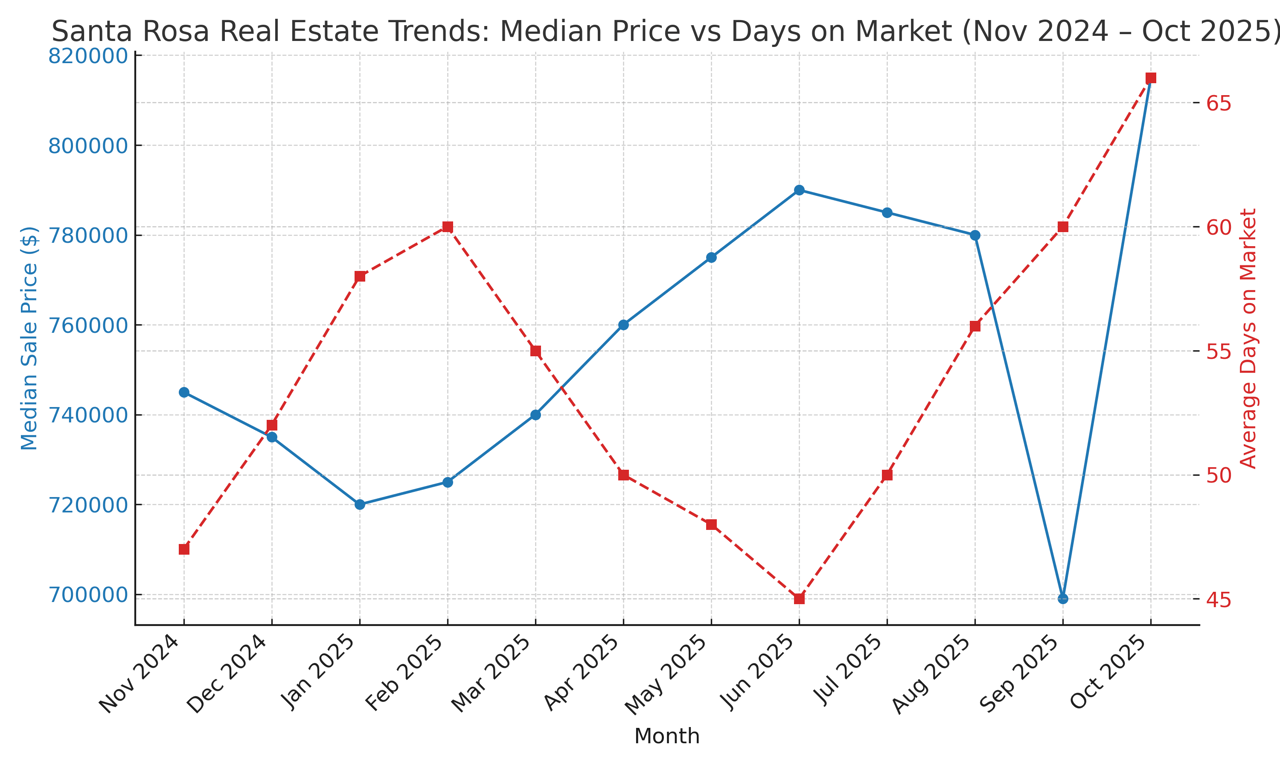
Days on market trends
The condition and appeal of your home relative to the competition
Your timeline, goals, and next move
If the current market gives you stronger leverage, faster absorption, and cleaner negotiation, waiting can be more expensive than people think—even if prices hold.
Here’s a quick framework that helps clarify your situation:
If buyer demand is strong now, you’re likely in a better negotiating position today than in a softer future.
If inventory is low now, scarcity can boost your price and terms.
If your goal is to simplify your life, listing into strength is usually better than trying to “win the lottery” later.
If your home is ready now, momentum matters—delays create their own risks.
And yes—there are times when waiting is the right call. But it shouldn’t be based on guesswork. It should be based on a data-supported strategy.
If you wait until 2027 to sell your Sonoma County home, the cost could show up in one or more of the following:
Reduced demand
Longer days on market
Price cuts
Repair credits
Buyer leverage
Higher opportunity cost
More stress and uncertainty
The smartest move is to know where you stand right now, based on your exact property and neighborhood—not averages, not headlines, not hope.
If you’re even 1% considering a move, I can run a quick timing analysis for your home:
Current demand snapshot for your price range
Suggested strategy to maximize leverage
Prep checklist that focuses only on changes that actually move the needle
Just tell me your property type and neighborhood, and we’ll go from there.

Along with this checklist, seeking guidance from a professional is always a good idea!

Gov't Shutdown


Less competition, motivated participants, and market insights for the season
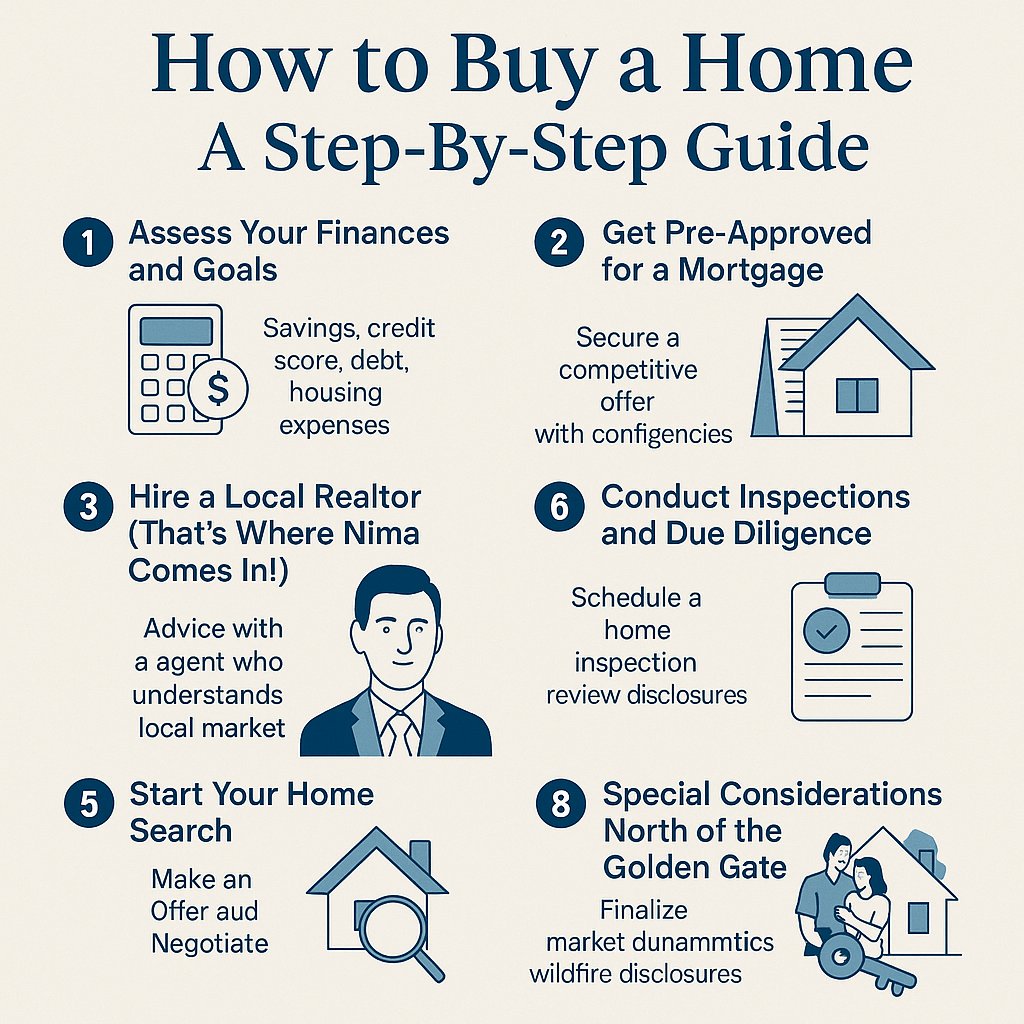
When to hire Nima, secure pre-approval, and navigate the North Bay market
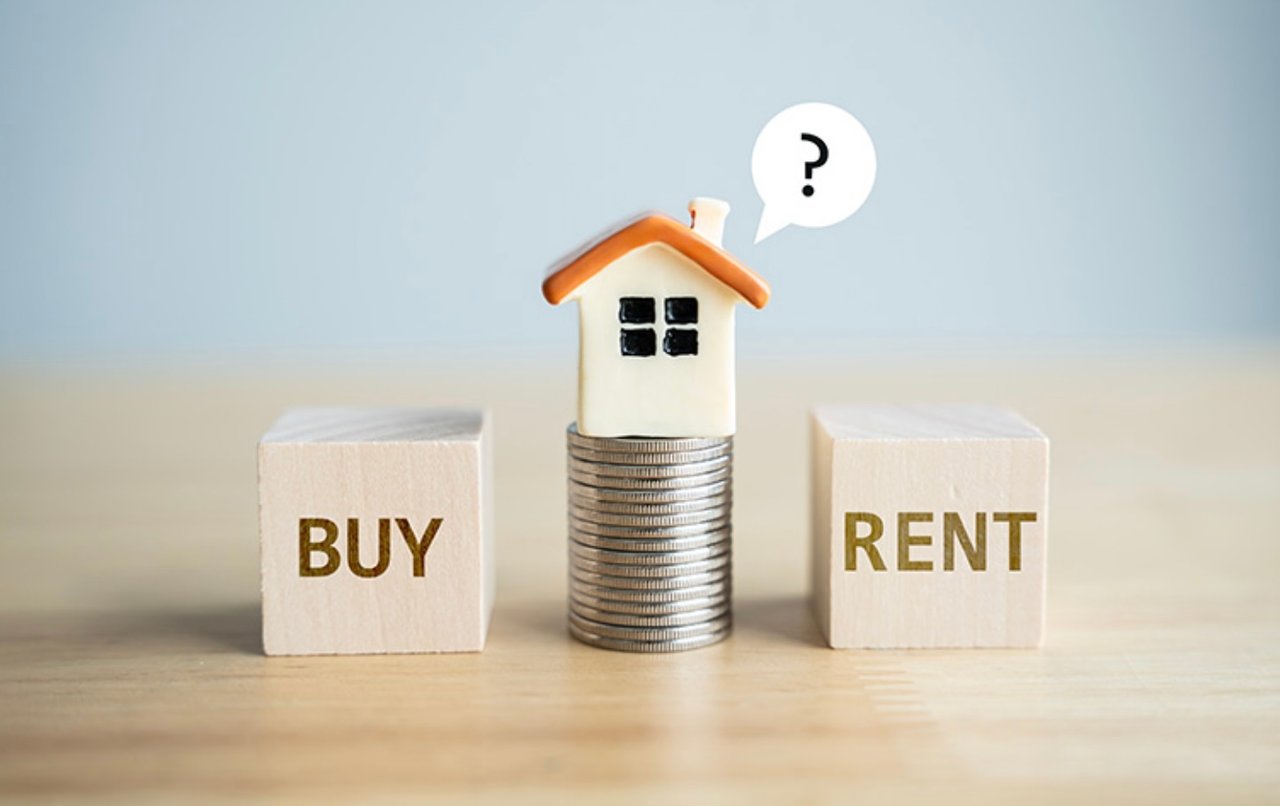
Exploring the pros and cons of homeownership versus renting across different time horizons
Whether you're buying, selling, or exploring options, Nima is dedicated to making the process smooth, informed, and rewarding. Reach out today for a personalized consultation and let’s make your real estate goals a reality!