
Should You Sell Your Sonoma County Home in 2026 or Wait Until 2027?
Nima Kazeroonian March 30, 2026
Nima Kazeroonian March 30, 2026
When someone asks me, “Should I sell now or wait until next year?” what they really mean is, “Is there a window where I can maximize equity and avoid regret?”
There isn’t one single right answer, but there is a smart framework—especially with Sonoma County’s mix of tight inventory, variable days-on-market, and mortgage rates that have bounced around.
Here’s how to think about the 2026 vs. 2027 decision in a way that’s practical, local, and grounded in what we’re seeing right now.
If you’re going to decide whether to sell in 2026, you need context.
Sonoma County (recent snapshot)
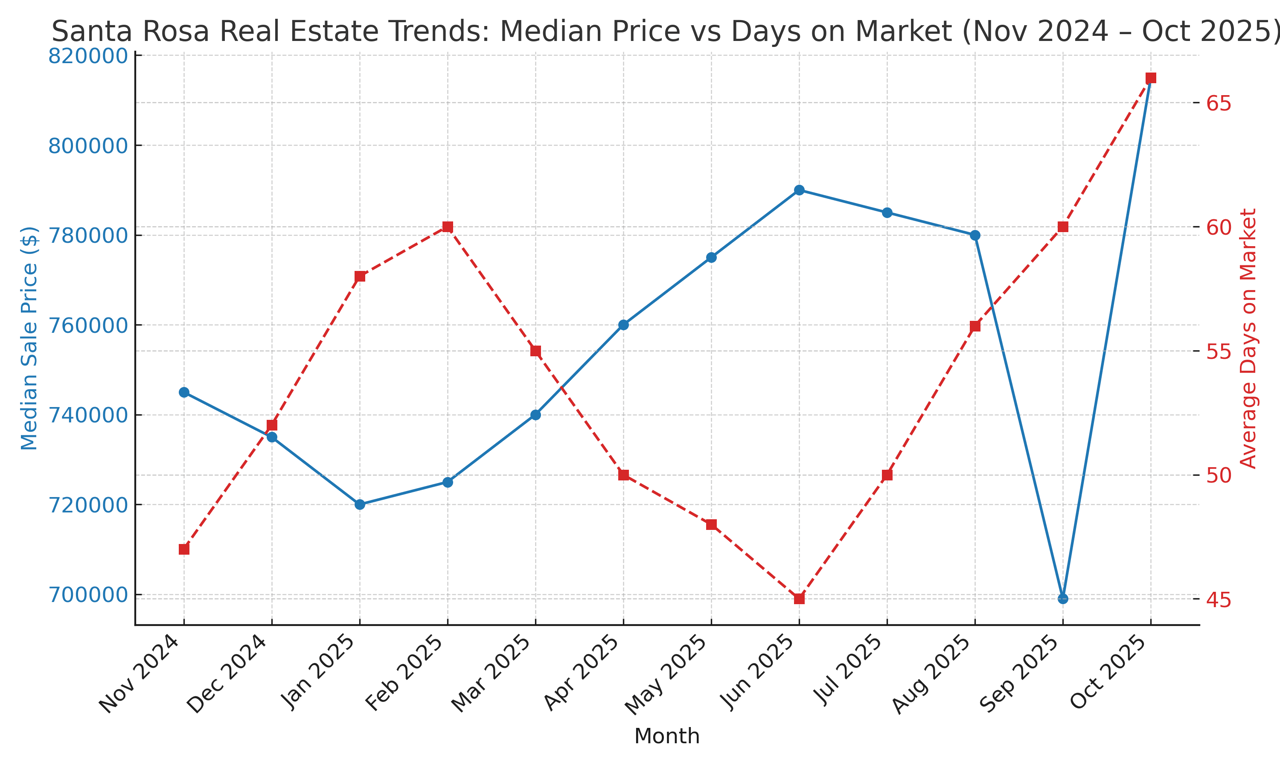
Santa Rosa (recent snapshot)
What does that really mean in plain language?
Even sellers who aren’t financing anything should care about rates, because rates shape buyer demand.
In late March 2026, national 30-year mortgage averages were in the mid-6s, with reports around 6.38%–6.56%. That’s a reality check: buyers can afford less house when rates rise, and affordability affects both demand and the confidence level buyers bring to negotiations.
At the same time, industry forecasts (like C.A.R.’s 2026 forecast) have expected mortgage rates to average around 6.0% in 2026—but the key word is average. Markets move. Headlines change. Your decision can’t be based on guessing the exact rate in six months.
So instead of saying “rates are high” or “rates will drop,” focus on what you can control:
When months of inventory sits under roughly ~3 months, that’s traditionally a tight market. With Sonoma County inventory recently around 1.94 months, good listings can still get strong traction.
Who should sell now?
If your home is updated, clean, staged, and photo-ready—or can be quickly—2026 may reward you. Time is leverage in real estate. The longer you wait, the more you risk:
In Sonoma County, hyper-local demand can vary dramatically by zip code and neighborhood. If you’re in a pocket known for top schools, great commute routes, or a desirable floor plan, you may enjoy outsized buyer attention right now.
If you’re thinking:
Homes aren’t just selling; they’re being compared—photo by photo, click by click.
If your timing is tied to a concrete milestone (retirement date, kids graduating, building completion, large bonus/vesting schedule), then waiting can be rational.
This is the riskiest reason—because you’re betting on macroeconomics—but it’s also understandable. If rates do ease and buyer budgets improve, demand could broaden.
Just remember: when affordability improves, more buyers jump in—and more sellers jump in too. That can reduce your leverage because you’re competing with more listings.
Here’s the method I use with clients when we’re choosing between “now” and “next year.”
Ask: What price would you accept in 30 days vs. 90 days vs. 9 months?
If your acceptable price drops in the future (because you’re worried about losing buyers), that tells you something.
If you can’t articulate your move timeline, you’re not ready to list. Decide:
If inventory is tight (recently around 1.94 months), you have a window. Your exact window depends on your neighborhood’s speed and your home’s condition.
Ask yourself honestly:
If you choose the “sell now” route, don’t overcomplicate it—just do the basics extremely well:
If you’re asking whether 2026 or 2027 will be “better,” I’d reframe it:
Best next step: decide your timeline, then evaluate your exact neighborhood and home type—not just the county average.
If you tell me your city (Santa Rosa, Windsor, Rohnert Park, etc.), your approximate ZIP code, and whether you’re downsizing or buying again, I can outline your three strongest strategies and the likely pros/cons for each.

Along with this checklist, seeking guidance from a professional is always a good idea!


Gov't Shutdown


Less competition, motivated participants, and market insights for the season
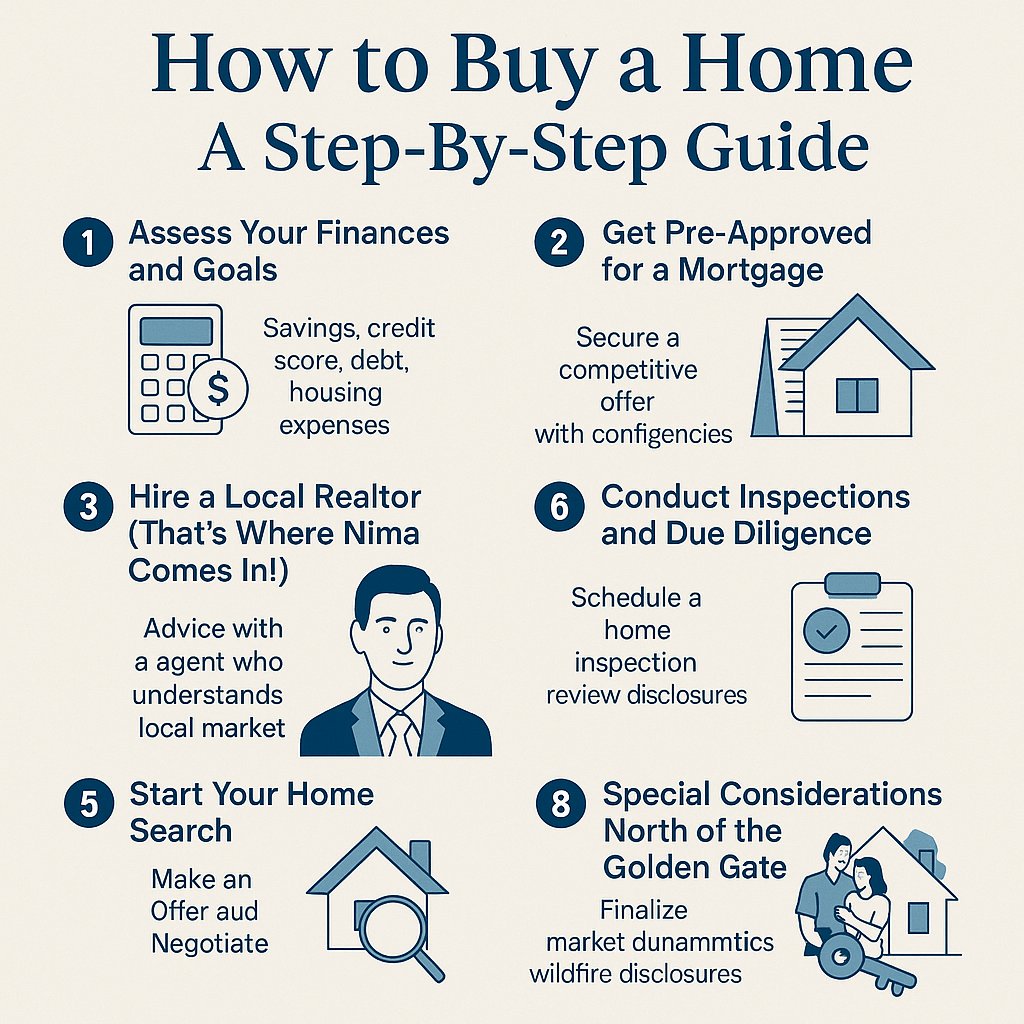
When to hire Nima, secure pre-approval, and navigate the North Bay market
Exploring the pros and cons of homeownership versus renting across different time horizons
Whether you're buying, selling, or exploring options, Nima is dedicated to making the process smooth, informed, and rewarding. Reach out today for a personalized consultation and let’s make your real estate goals a reality!