
Should You Sell Your Sonoma County Home in 2026… or Wait Until 2027?
Nima Kazeroonian March 31, 2026
Nima Kazeroonian March 31, 2026
If you’ve owned your home for a while, this is one of the hardest questions you can ask: Do I sell now, or do I wait?
It’s hard because selling isn’t just a financial decision. It’s emotional. It affects your family, your commute, your kids’ routines, your neighbors, and your long-term wealth. On top of that, the market can feel like it’s constantly changing—rates move, inventory rises and falls, and buyer demand can shift quickly.
This guide is a decision-trigger checklist designed to simplify a complicated choice. You won’t find fluffy “one-size-fits-all” advice. Instead, you’ll get practical triggers that help you say:
And if you’re still on the fence after this, that’s okay—because the biggest mistake isn’t selling too early or too late. It’s making a rushed decision without a plan. Let’s fix that.
Equity is the real engine behind your selling power. If you have meaningful equity, you have options. If you’re equity-light, you might be forced to wait—or you’ll need a very strategic plan.
Ask yourself:
Rule of thumb: If equity gives you freedom and momentum, selling can be a strong move—especially if the next step in your life is clearer than “just waiting.”
Markets are tricky, but your life is real and immediate. If you know your life is changing in the next 6–18 months, a proactive sale often beats a reactive one.
Big life triggers include:
Here’s the truth: the market won’t politely wait for your life to get easier. If your life timeline is pulling you toward action, waiting can add stress and cost, not clarity.
Bottom line: If you know a move is coming, waiting often just means moving under pressure later.
Inventory (the number of homes for sale) can make or break your outcome. When inventory rises, buyers have more choices, pricing power shifts, and your listing has to be sharper.
If you sell during a window where:
…you’re often better positioned to get clean offers and simpler negotiations.
Seller’s advantage: You’re controlling the marketing, presentation, and pricing strategy. If you can enter the market during a “cleaner” inventory window, you can get ahead of the pack.
One of the biggest decision triggers is simply this: how much work does your home need to sell well?
If your home is already:
…you’re closer to a smooth sale, and the “sell now” path becomes more attractive.
If your home needs major repairs or updates, you’ve got options:
Important: Waiting while doing random upgrades is a trap. You need an agent-level plan that avoids over-improving beyond what buyers will pay for.
Sometimes the best reason to sell isn’t “I’m going to profit.” It’s “My life will run better.”
Does selling reduce:
If you can convert your home sale into:
…then “sell now” can be the correct decision even if you’re not “maxing out the market.”
Because the market doesn’t deposit comfort and time into your bank account—but good decisions do.
This is where many sellers get stuck: “If I sell, where do I go?”
Your answer doesn’t have to be perfect—but it does have to be stable.
Stability options include:
If you have a confident next step, selling gets easier. If you don’t, the decision can feel scary.
Decision tip: If your next-step plan reduces stress, sell now becomes more logical.
Taxes aren’t everything, but they can matter:
If the timing lines up with a cleaner financial year, that can be a decisive trigger.
Smart move: When taxes align with life changes and equity is strong, it can become a “now, not later” moment.
If you’re still unsure, do this:
If you’re at 4+ “yes” answers, selling now is usually worth serious consideration. If you’re at 2–3 “yes” answers, you might be in the “plan and position” phase: get everything ready now so you can move fast when the trigger becomes obvious.
If you’re reading this and thinking, “I could go either way,” you’re exactly the person this was written for.
Here’s the simplest next step that creates clarity fast:
Get a decision-based strategy session where we look at:
After that, you should know whether you’re best off:
You don’t need hype. You need confidence.

Along with this checklist, seeking guidance from a professional is always a good idea!


Gov't Shutdown


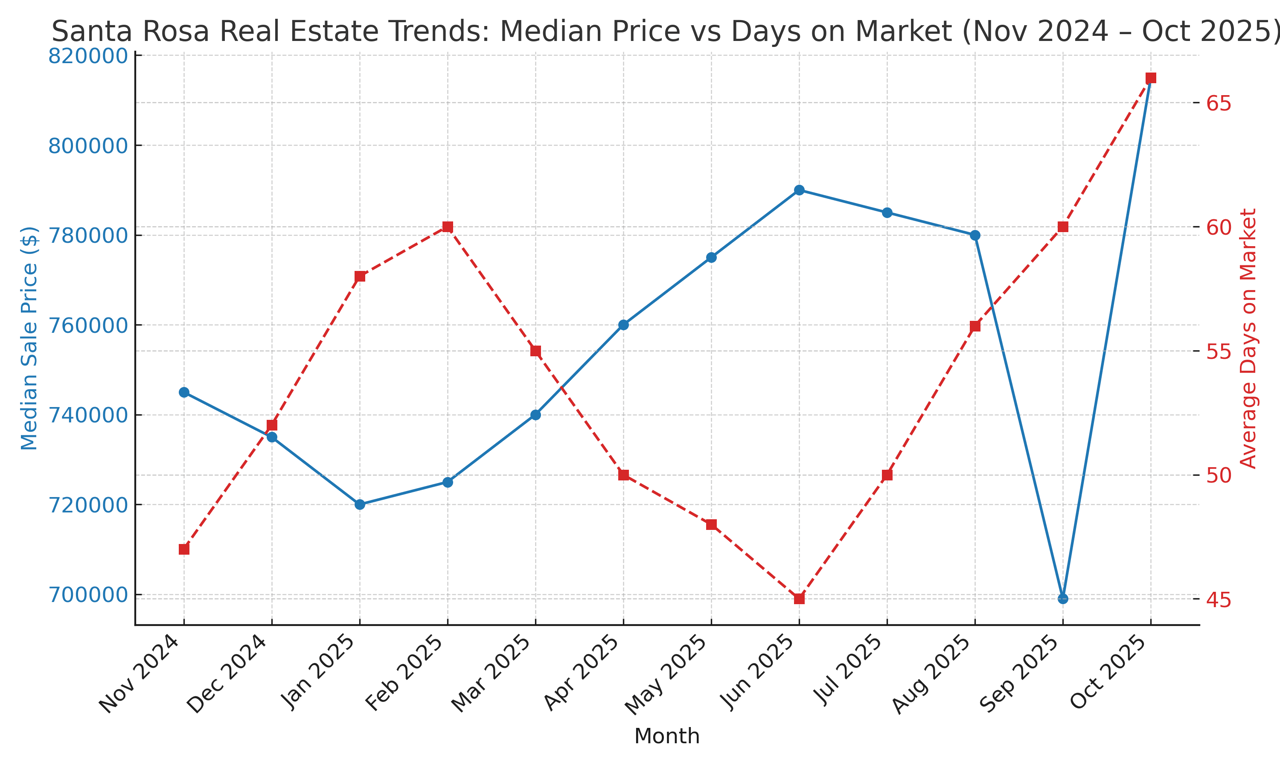
Less competition, motivated participants, and market insights for the season
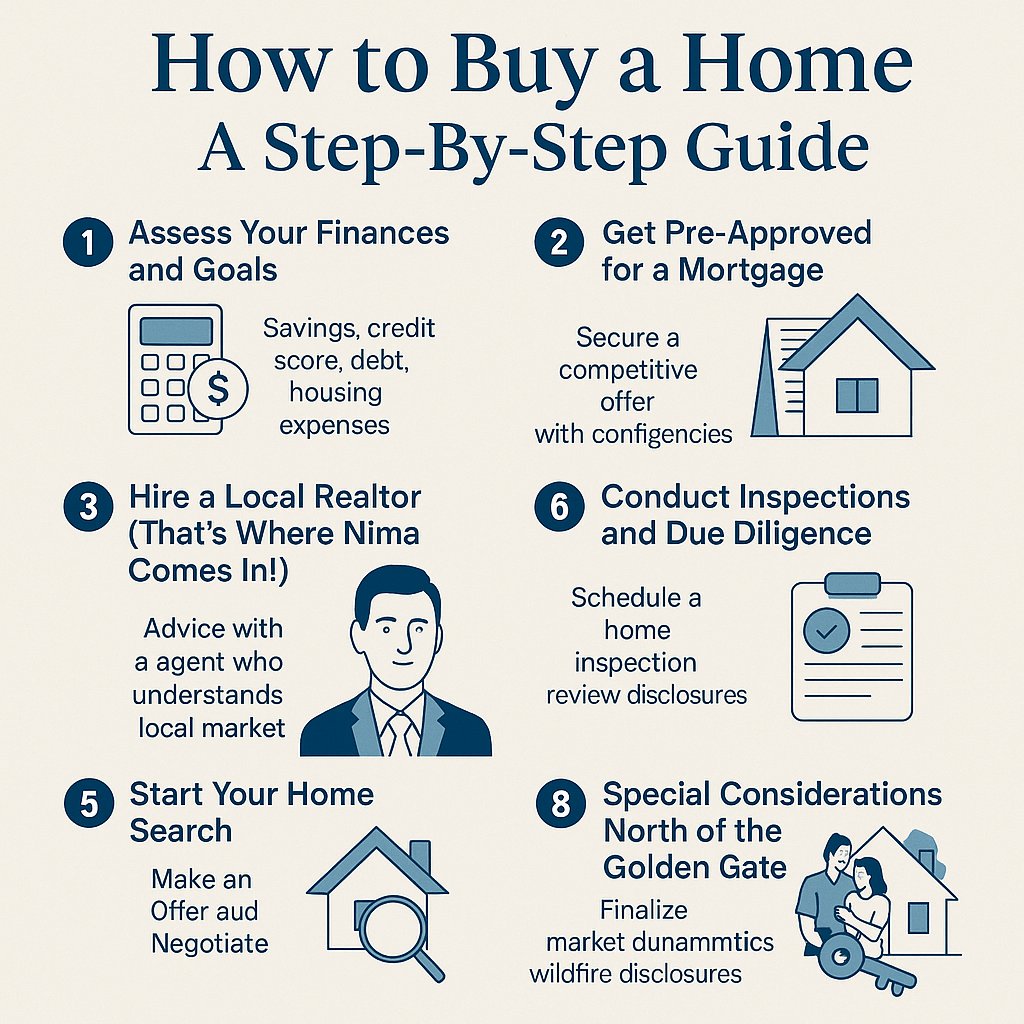
When to hire Nima, secure pre-approval, and navigate the North Bay market

Exploring the pros and cons of homeownership versus renting across different time horizons
Whether you're buying, selling, or exploring options, Nima is dedicated to making the process smooth, informed, and rewarding. Reach out today for a personalized consultation and let’s make your real estate goals a reality!