The 2026 Sonoma County Homeowner Checkup: What Every Homeowner Should Know
Every year, homeowners focus on interest rates, home prices, and headlines about the housing market. But in reality, the biggest influences on your home’s value often happen quietly — in small shifts that most homeowners don’t notice until they decide to sell.
In 2026, Sonoma County real estate is being shaped by several subtle but important trends. Whether you plan to sell this year, next year, or simply want to understand your long-term equity position, this homeowner “value checkup” can help you stay informed and ahead of the market.
Below are seven key factors that are quietly influencing property values across Sonoma County right now.
1. Micro-Location Demand Is Increasing
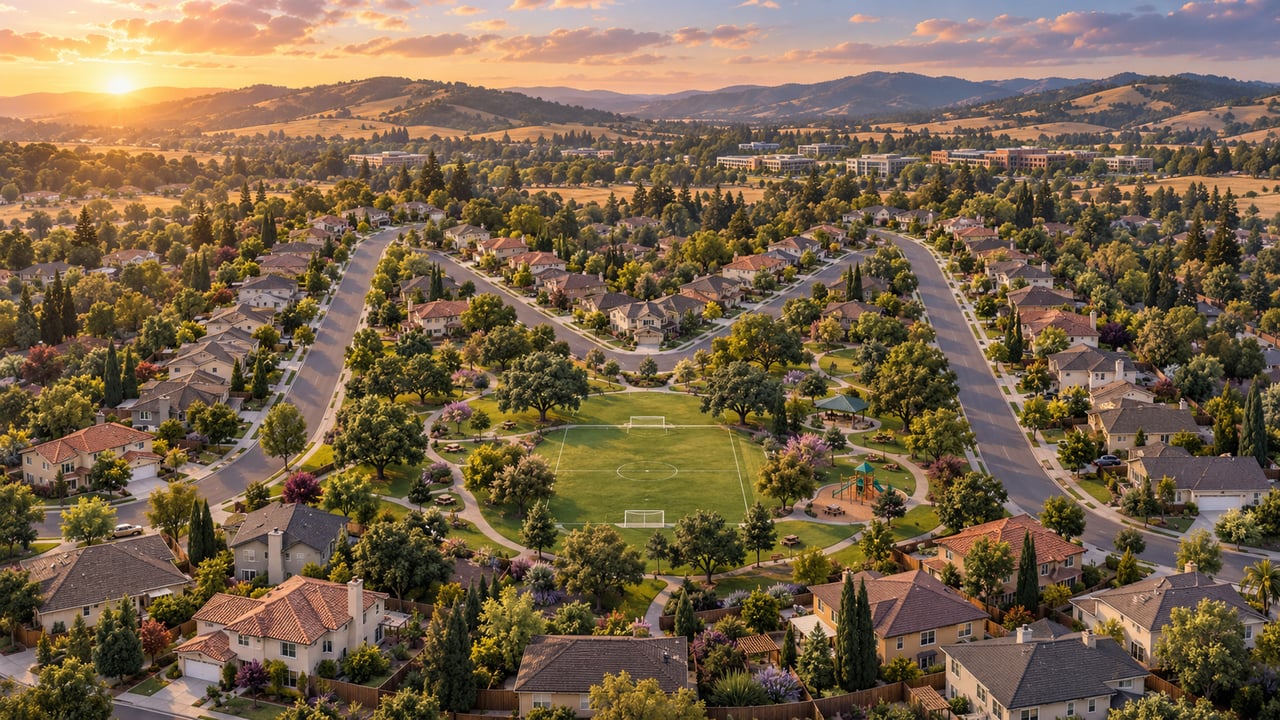
For years, location has always mattered. But today, micro-location matters more than ever. Buyers are no longer evaluating only the city — they are focusing heavily on neighborhood-level factors such as:
-
School district reputation
-
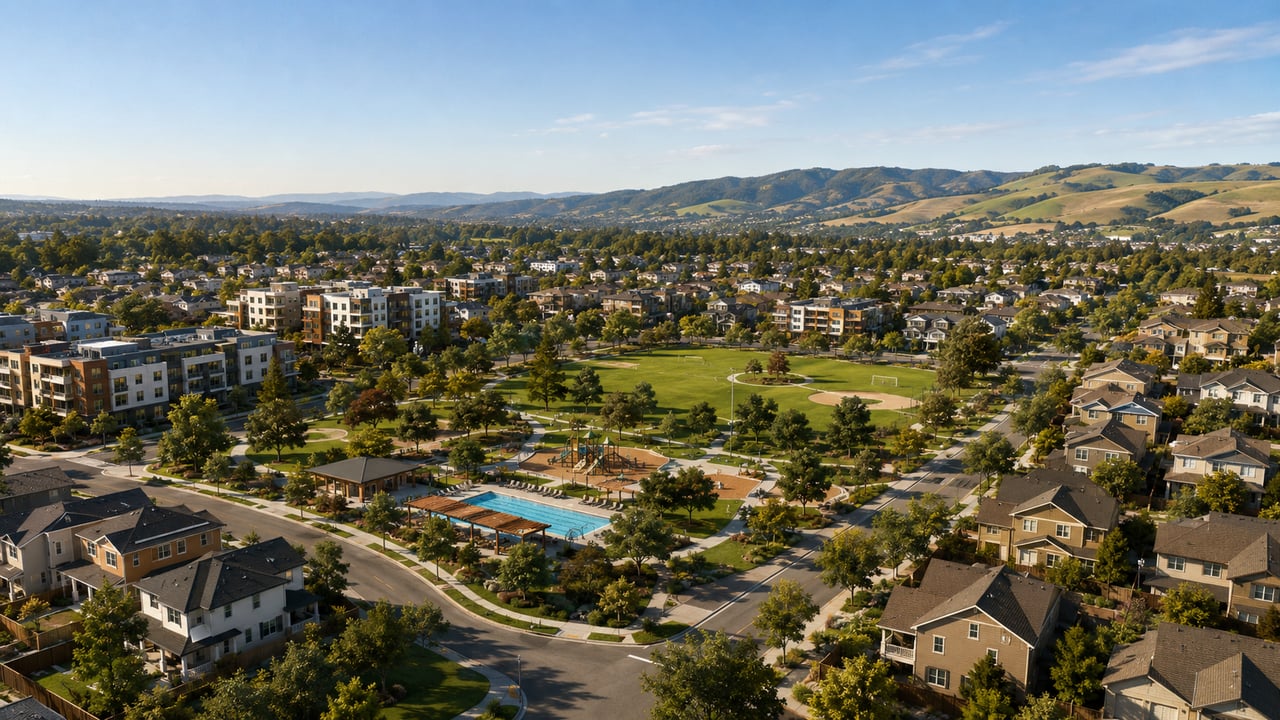
Walkability and nearby amenities
-
Commuting convenience
-
Insurance availability and risk zones
-
Proximity to parks, trails, and lifestyle areas
Two homes just a few blocks apart can now see noticeably different levels of buyer demand depending on these neighborhood-specific factors. Homeowners who track local buyer trends often have a clearer understanding of where their value is headed.
2. Insurance Availability Is Becoming a Value Factor
Insurance has become one of the most discussed topics among buyers in Northern California. While many homeowners assume insurance only affects monthly costs, it also impacts buyer demand, which directly affects home value.
Properties that are easier to insure — or already have stable coverage — tend to generate stronger buyer interest compared to homes where insurance options are limited or uncertain. In many cases, simply understanding your coverage options and documenting insurability can become a meaningful selling advantage when the time comes.
3. Condition Sensitivity Is Higher Than It Was a Few Years Ago
During extremely competitive market periods, buyers were often willing to overlook cosmetic or maintenance issues. Today, buyers are more selective and value move-in-ready condition more heavily.
This does not mean homeowners need to complete major renovations. Instead, the focus has shifted toward:
-
Deferred maintenance corrections
-
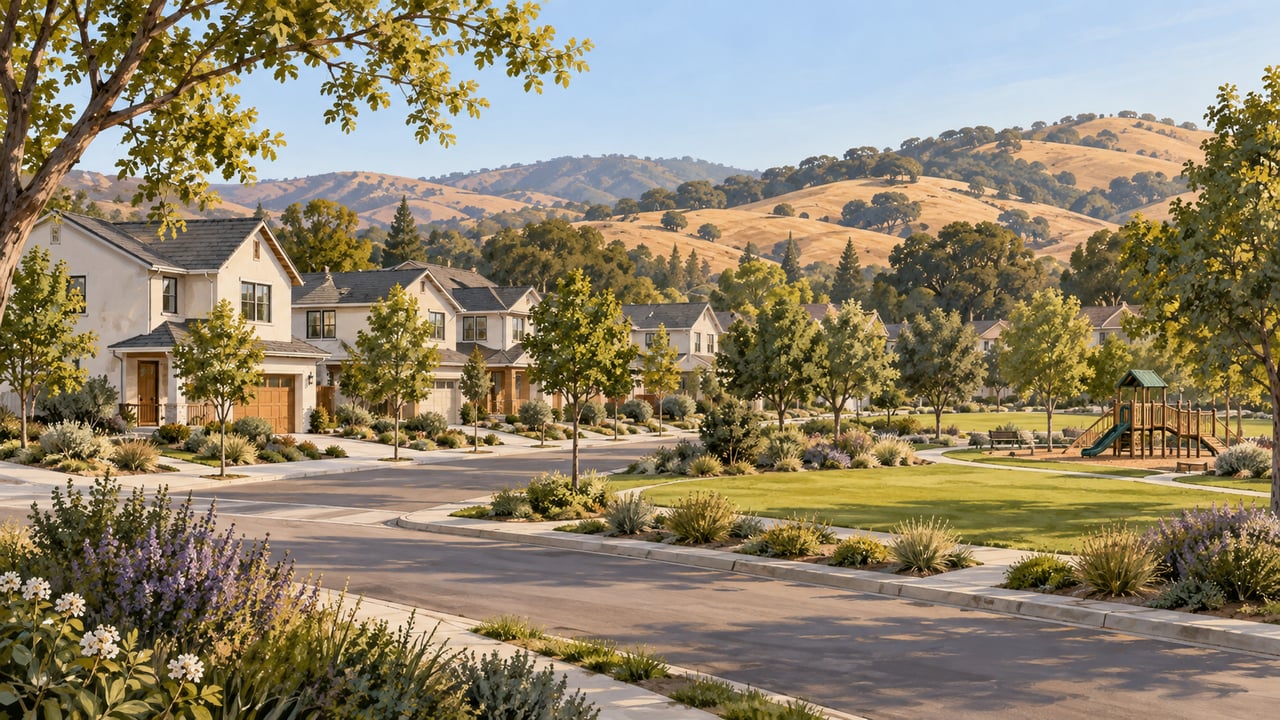
Exterior curb appeal improvements
-
Paint, flooring, and lighting updates
-
Landscaping presentation
Small improvements can significantly influence buyer perception and ultimately the price a home attracts.
4. Interest Rates Still Influence Timing — But Not Always Value
Many homeowners assume mortgage rates alone determine whether values rise or fall. In reality, rates mostly influence buyer timing and competition, not long-term value trends.
When rates stabilize or drop slightly, buyer activity typically increases, creating stronger competition for well-priced homes. Homes that are well-prepared for the market during these windows often benefit the most from renewed buyer activity.
Understanding how rate cycles affect timing can help homeowners plan strategically, even if they are considering selling several years from now.
5. Inventory Levels Are Quietly Shaping Price Strength
Housing inventory remains one of the most powerful influences on home values. When the number of available homes stays limited — as has been the case in many Sonoma County neighborhoods — even moderate buyer demand can help maintain stable pricing conditions.
Many homeowners are unaware that inventory trends can vary significantly between neighborhoods, property types, and price ranges. Tracking these local supply conditions often provides clearer insight into future value movement than national headlines.
6. Lifestyle Preferences Continue to Drive Buyer Decisions
Lifestyle-driven demand continues to play a large role in buyer behavior. Buyers today are paying closer attention to features that support flexible living, including:
-
Home office potential
-
Outdoor entertaining areas
-
Energy-efficient features
-
Functional floor plans
-
Storage and multi-use spaces
Homes that align with evolving lifestyle priorities tend to stand out more strongly in competitive markets, often attracting faster offers and stronger pricing.
7. Local Market Knowledge Is Becoming a Competitive Advantage
Perhaps the most overlooked factor affecting home value is local market interpretation. Data is widely available, but understanding how to interpret neighborhood-level trends, buyer behavior, pricing patterns, and timing opportunities requires localized expertise.
Homeowners who stay informed about their specific neighborhood’s performance often make more strategic decisions — whether refinancing, remodeling, holding, or eventually selling. Small adjustments in timing and preparation can sometimes create meaningful differences in final sale outcomes.
Why a Yearly Homeowner Checkup Matters
Think of your home value the same way you think about long-term financial planning: small annual adjustments can lead to significantly better results over time. Reviewing your property’s estimated value, neighborhood trends, condition factors, and insurance positioning once per year can provide clarity and confidence — even if you are not planning to move anytime soon.
Many homeowners are surprised to discover how much their property position has changed after just one or two years, especially as neighborhood demand shifts and buyer priorities evolve.
The Bottom Line
The Sonoma County housing market in 2026 is being shaped less by dramatic headlines and more by quiet, localized shifts. Micro-location demand, inventory patterns, insurance considerations, buyer lifestyle preferences, and property condition are all playing increasingly important roles in determining how individual homes perform.
Understanding these seven factors allows homeowners to make smarter long-term decisions, protect their equity, and position their homes more effectively whenever they decide the timing is right.
A simple annual homeowner checkup — reviewing value trends, neighborhood demand, and property readiness — can provide valuable insight into where your home stands today and how to maximize its potential in the future.