
The One Upgrade Buyers Notice Before They Even Walk Inside
Nima Kazeroonian January 22, 2026
Nima Kazeroonian January 22, 2026
If you ask most homeowners what buyers care about most, you’ll usually hear answers like price, square footage, or the kitchen. All of those matter—but they don’t come first. Long before buyers notice your countertops or your layout, they’ve already formed an opinion. And that opinion is often formed before they ever step inside.
In today’s market, where buyers are more selective, more informed, and often emotionally cautious, the very first impression of a home carries more weight than ever. There is one upgrade that consistently determines whether buyers feel excited, neutral, or hesitant within seconds of arrival.
That upgrade is exterior presentation—specifically curb appeal and entry experience.
This isn’t about spending huge amounts of money or doing a full remodel. It’s about how your home feels the moment buyers pull up, park, and walk toward the front door. That moment sets the tone for everything that follows.
Psychologists call it “thin slicing”—the brain’s ability to make judgments with very little information. Buyers do the same thing with homes. Before they check the price, before they open a door, before they see a single room, they subconsciously ask one question:
Does this home feel like it’s been cared for?
If the answer feels like “yes,” buyers walk in more relaxed and open-minded. If the answer feels like “maybe” or “no,” they start looking for flaws, even if the home is objectively nice.
This is why two homes with similar interiors can have completely different buyer reactions. One creates momentum. The other creates resistance.
When buyers approach a home, they’re noticing a combination of small details rather than one big feature:
Condition of the driveway and walkways
Landscaping clarity (not perfection, but intention)
Front door condition and color
Lighting near the entry
Cleanliness of windows and exterior surfaces
Visibility and openness of the entry path
None of these items are expensive on their own. Together, they send a powerful message.
The front door is the single most powerful focal point of a home’s exterior. It’s the transition from public to private, and buyers subconsciously attach meaning to it.
A worn, faded, or dated front door suggests deferred maintenance—even if that’s not true. A clean, freshly painted, well-lit entry suggests pride of ownership and care.
This is why something as simple as repainting a front door, updating hardware, and adding warm lighting can dramatically change how a home is perceived.
Today’s buyers aren’t just comparing your home to the one down the street. They’re comparing it to dozens they’ve seen online. By the time they arrive in person, expectations are already formed.
If the exterior doesn’t match or exceed those expectations, buyers emotionally disengage early. That disengagement shows up later as:
Shorter showings
Fewer questions
Less urgency
Weaker offers
Homes that create a strong first impression, on the other hand, benefit from what I call positive bias. Buyers excuse minor flaws, stretch budgets, and emotionally connect faster.
This is one of the few areas where modest spending can produce outsized results. Simple improvements often include:
Power washing exterior surfaces
Trimming and simplifying landscaping
Painting or refinishing the front door
Replacing outdated exterior light fixtures
Adding subtle pathway lighting
These changes don’t just improve aesthetics—they improve confidence.
Homes that skip this step often hear feedback like:
“It didn’t feel quite right”
“We liked it, but…”
“We’re going to keep looking”
These comments aren’t about logic. They’re about emotion.
If you’re thinking about selling, the smartest first upgrade is not inside your home. It’s how your home introduces itself.
When buyers feel good before they walk inside, everything else works harder for you—your pricing, your layout, and your marketing.
If you’re curious what buyers would notice first about your home—and where a small adjustment could make a big difference—I’m always happy to give honest, practical feedback.
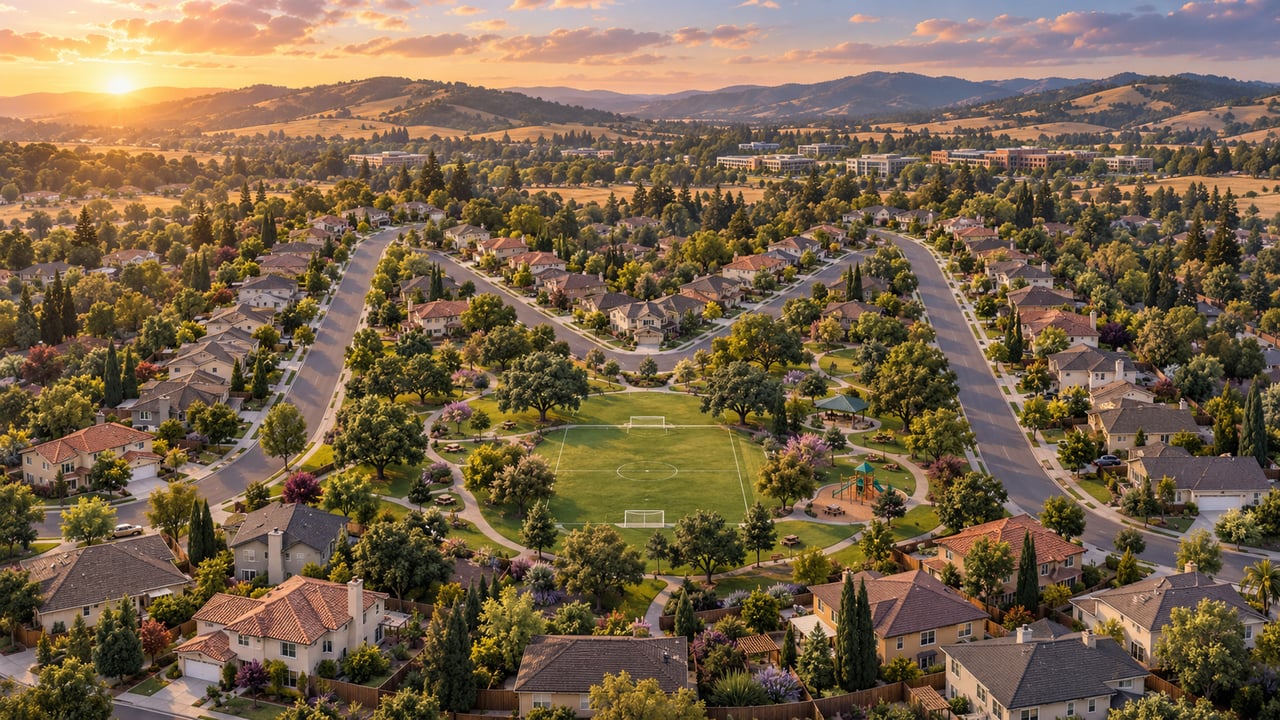
Discover what it is like to live in Rohnert Park’s M Section, including its homes, Magnolia Park, nearby schools, location, parking rules and current real estate consi… Read more

Mortgage rates may remain elevated after the Fed’s September 2026 rate increase, but correctly priced homes in Santa Rosa, Rohnert Park, Petaluma, Windsor, Cotati, and… Read more
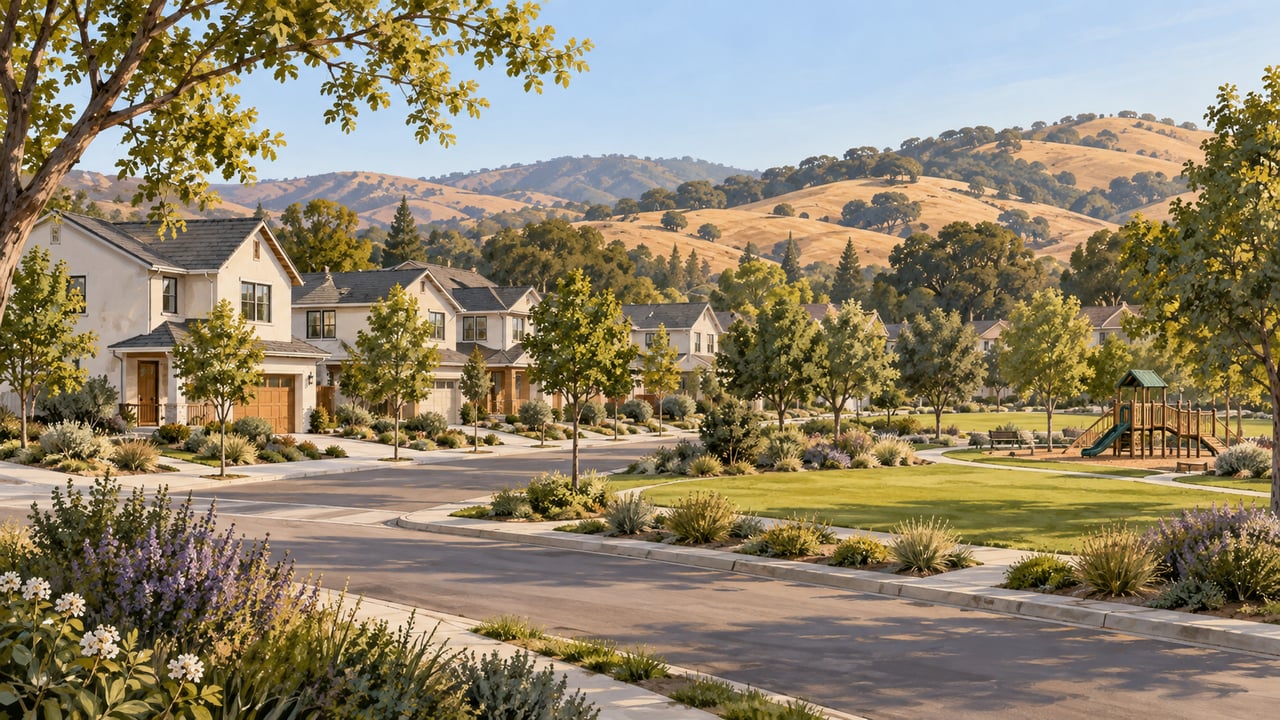
Explore K Section’s location, Twin Creeks Park, nearby Sonoma State and the ownership costs to understand before buying.
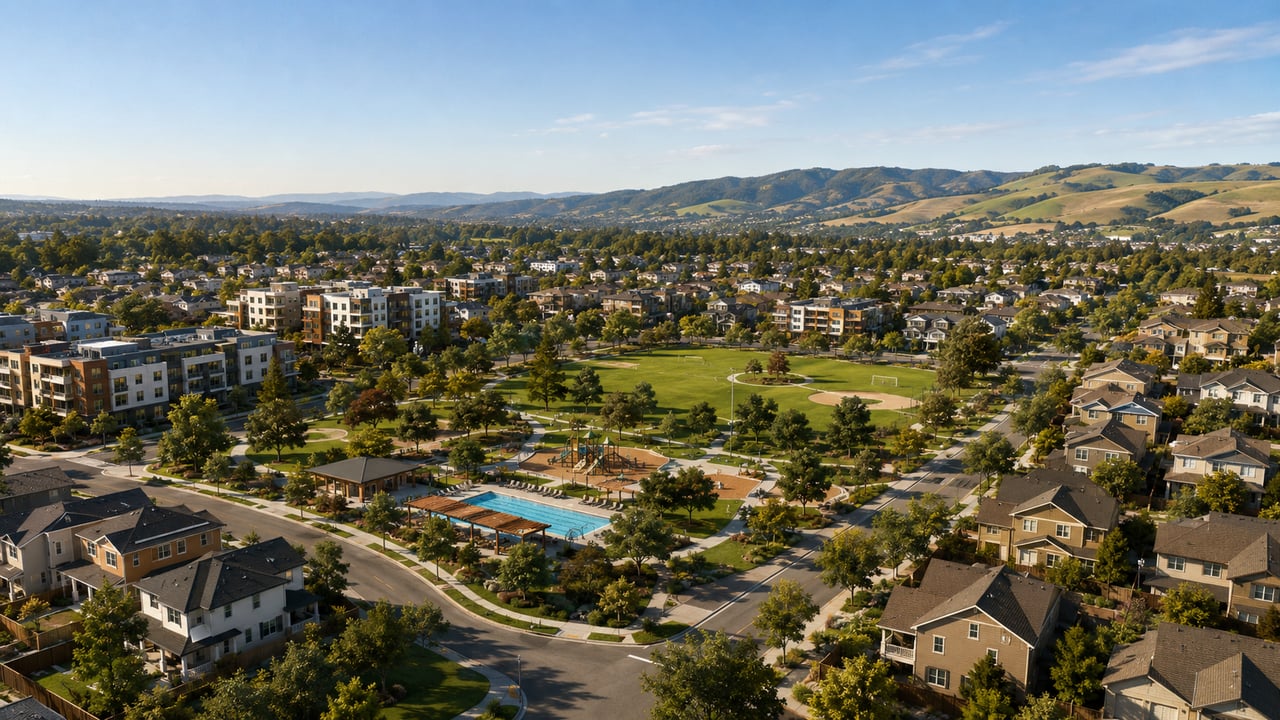
A local look at M Section housing, Magnolia Park, nearby schools, current prices and what Rohnert Park buyers and sellers should know.

An updated look at today’s mortgage rates, the economic forces controlling them, what forecasters expect through 2027 and why timing the market may cost Sonoma County … Read more
A local comparison of 2026 home prices, housing choices, neighborhoods, commute options, schools and everyday lifestyle across three popular Sonoma County communities.
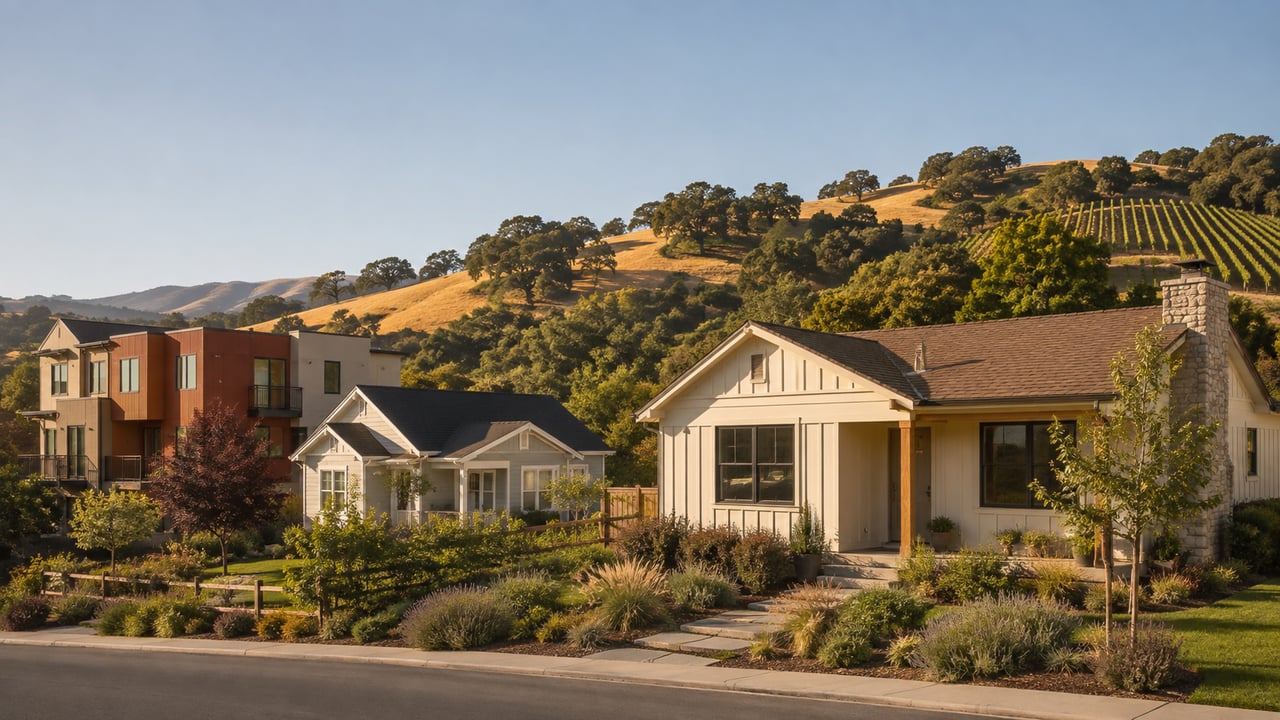
A City-by-City Guide to Houses, Condos and Townhomes Under $700K in Santa Rosa, Rohnert Park, Cloverdale, Cotati, Windsor and the Russian River

A Local Guide to Penngrove Real Estate Around $1 Million — Including Home Sizes, Acreage, ADU Potential, Wells, Septic Systems and What Buyers Should Expect Before Mak… Read more
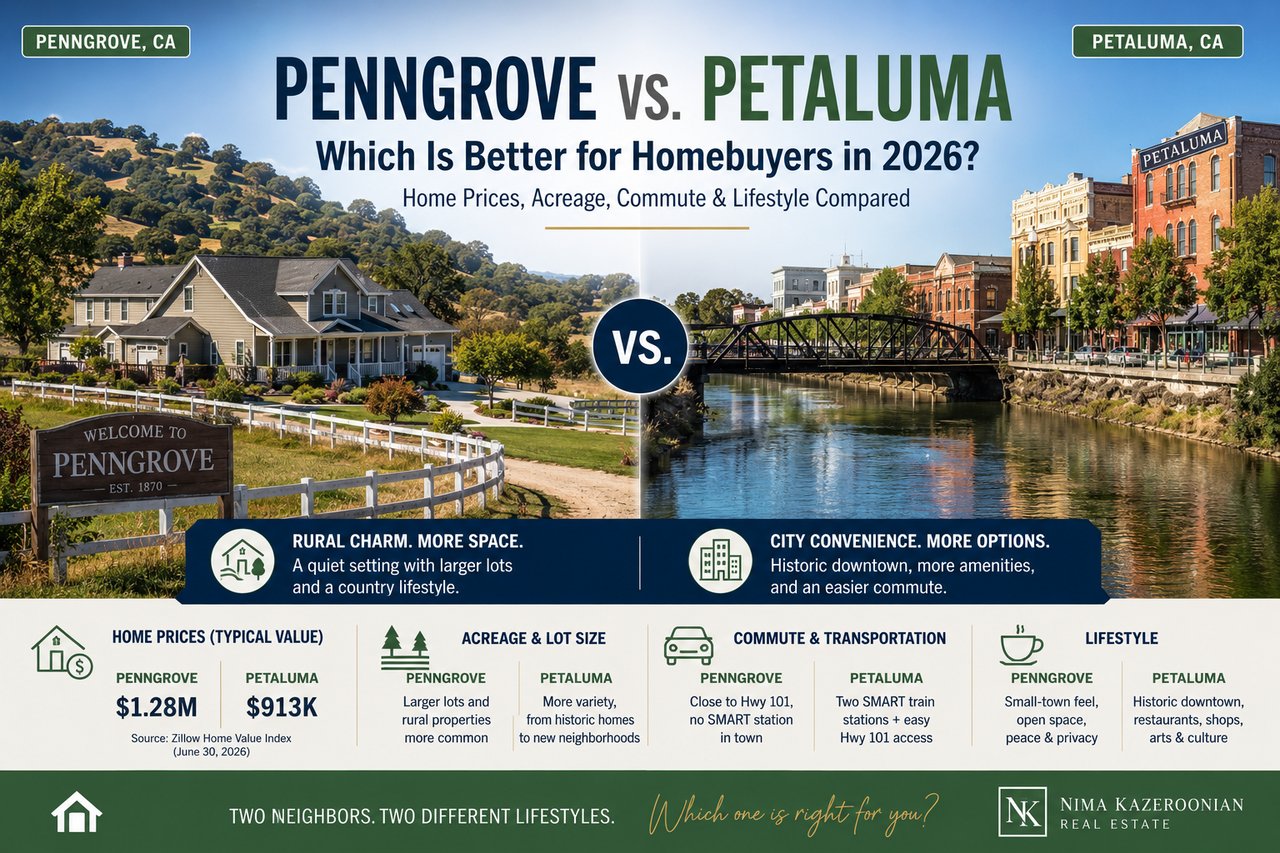
Penngrove offers more of the rural Sonoma County experience and larger-property opportunities, while Petaluma gives buyers a larger housing market, historic downtown, … Read more
Whether you're buying, selling, or exploring options, Nima is dedicated to making the process smooth, informed, and rewarding. Reach out today for a personalized consultation and let’s make your real estate goals a reality!