What Is My Penngrove Home Worth Right Now? (2026 Home Value Guide)
Nima April 17, 2026
Nima April 17, 2026
If you own a home in Penngrove, you’ve probably heard the question “What’s my home worth?” more than any other in 2026—and for good reason.
Values have shifted, mortgage rates have moved, and buyer behavior changes season-by-season. Online estimates can be a helpful starting point, but they’re not the whole story—especially in a smaller market where just one or two sales can make median prices look wild.
This guide walks you through the right way to estimate your home’s value using real benchmarks, the specific features buyers pay for in Penngrove, and a quick checklist you can do today to land within a realistic range—before you ever talk to an agent.
Right now, Zillow shows the average home value in Penngrove at about $1,232,926, updated Feb 28, 2026.
That’s a useful benchmark—but your value might be far above or below it depending on:
To put that benchmark into context, Realtor.com shows roughly 15 active listings with a median listing price around $1,375,000 (list price—not sold price). Movoto, looking at March 2026, shows a median list price around $1,724,500 and notes inventory and market dynamics on the ground, which illustrates how different data sources can vary by month and methodology.
In other words: the “average” is not a forecast of what your house will sell for. It’s a starting point—then we layer the factors that buyers are actually paying for.
Online valuations (Zestimate, AVMs, automated tools) do something powerful: they process lots of public data quickly.
But in Penngrove, those models can struggle because:
A) Small sample size. In January 2026, Redfin shows a median sale price that looks extremely high—but also shows only one home sold, so the median becomes basically “whatever that one sale was.” That’s not a robust valuation signal.
B) Unique homes + unique lots. Penngrove has a wide spread of property types—homes on land, custom builds, varying finishes, and varying utility (sloped vs usable, vineyard potential, equestrian-ready, etc.). AVMs don’t “see” the land the same way a buyer does.
C) Permitting and functional utility. AVMs rarely price in whether your improvements are legal, permitted, and usable as the buyer intends.
So yes: online numbers are helpful, but they’re not how a pro gets to a defendable price range.
Here are the big drivers that tend to create the biggest price swings in Penngrove:
Flat, accessible acreage, good access, fencing, water, and functional outbuildings are massive value levers compared to steep, awkward, or hard-to-maintain parcels.
Some buyers will pay a premium for a “private retreat” feeling, even if the house itself is less updated. Others prefer closer-in convenience and may pay more for that.
Buyers pay for certainty. A move-in-ready home often sells faster and cleaner than a “project,” even if the fixer has potential. In a shifting market, turnkey properties can earn a premium.
Permitted square footage matters a lot. Finished basements/lofts/guest suites that aren’t legal can scare lenders, appraisers, and buyers—even if they “feel” like extra living space.
Even within the same town, different school paths and commute assumptions shift demand. “Perfect for my day-to-day life” is sometimes worth more than granite counters.
If you want a quick, realistic number fast, do this:
Keep in mind: pricing is a strategy, not just a number. A strong strategy gets you showing traffic, then real offers, then leverage.
Nationally, mortgage rates have been bouncing around, and demand is sensitive. Reuters reported existing home sales dropped to a nine-month low in March 2026, with rates rising into early April and NAR revising sales expectations.
Locally, Sonoma County’s market is nuanced. A regional update from Sotheby’s shows Q1 2026 inventory around 381 and months supply around 7.3, which indicates meaningful inventory relative to sales pace in that snapshot. More inventory can mean more competition, depending on price point and segment.
Translation: your home’s value isn’t just “up or down.” It’s “what is my specific property worth in this segment of this market, right now?”
That’s why a good valuation is part math, part comps, part strategy.
The biggest mistake I see is “aspirational pricing”—listing too high to “leave room.”
In a market where buyers are cautious and costs are high, being overpriced can:
If you want top dollar, you don’t need the highest list price—you need the best strategy to generate real demand.
A better approach is a pricing plan that aims for:
Your list price is a magnet. Make sure it attracts the right buyers, fast.
A true, defendable valuation typically includes:
If you want, I can pull a custom valuation range for your specific address (based on your property details and the most relevant comps), and give you a clear pricing strategy if you’re thinking about selling in the next 3–12 months.
Even if you’re not selling now, it’s smart to know your “liquid value” and what your house would likely appraise for in today’s environment.
| Metric | Current snapshot (2026) |
|---|---|
| Zillow avg home value | ~$1,232,926 |
| Median listing price (Realtor.com) | ~$1,375,000 |
| Median list price (Movoto, Mar 2026) | ~$1,724,500 |
| Mortgage rate note (Reuters, early April) | ~6.46% 30-year fixed |
Home value isn’t a single headline number—it’s a combination of:
If you want, tell me the basics (bed/bath, square footage, lot size, updates, and whether you have an ADU/outbuildings), and I’ll draft a more tailored version and a pricing strategy you can use.
Along with this checklist, seeking guidance from a professional is always a good idea!
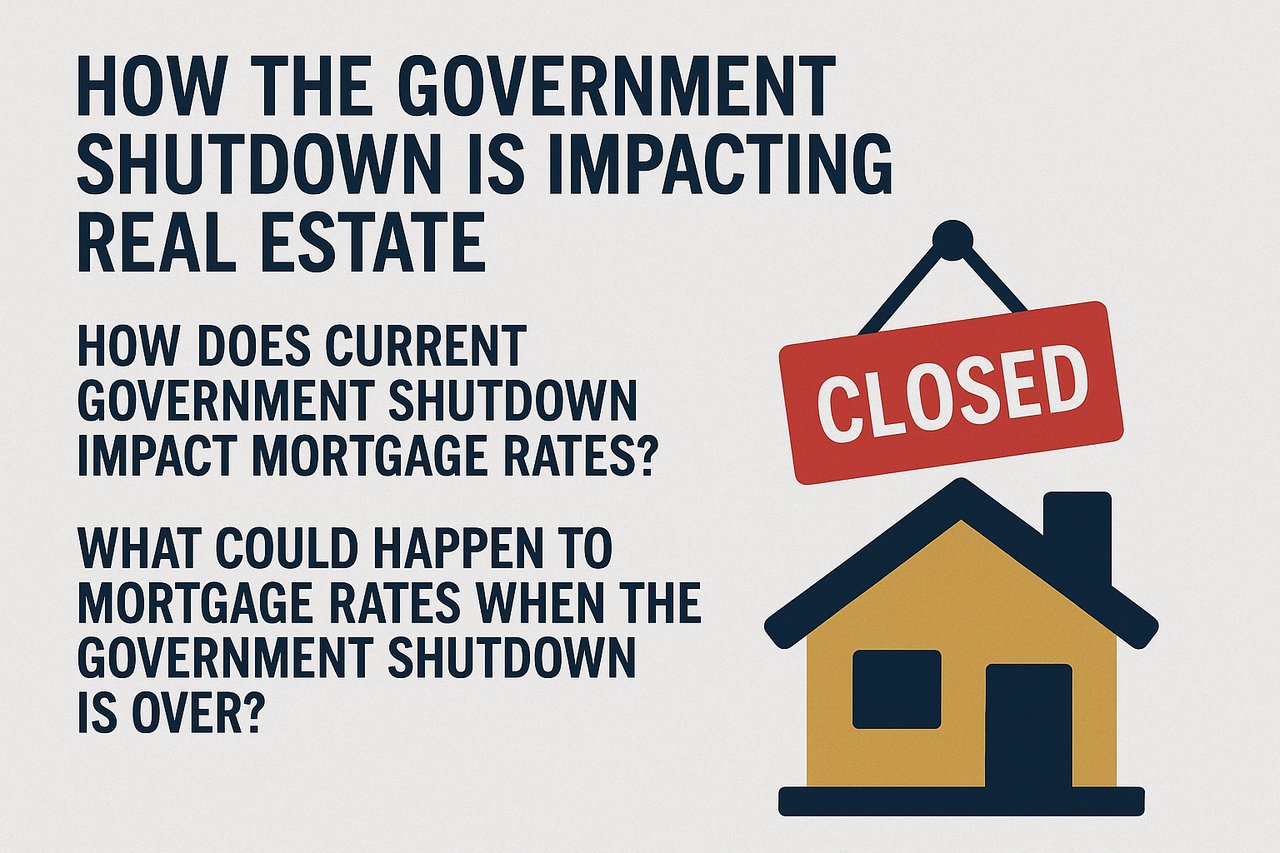
Gov't Shutdown


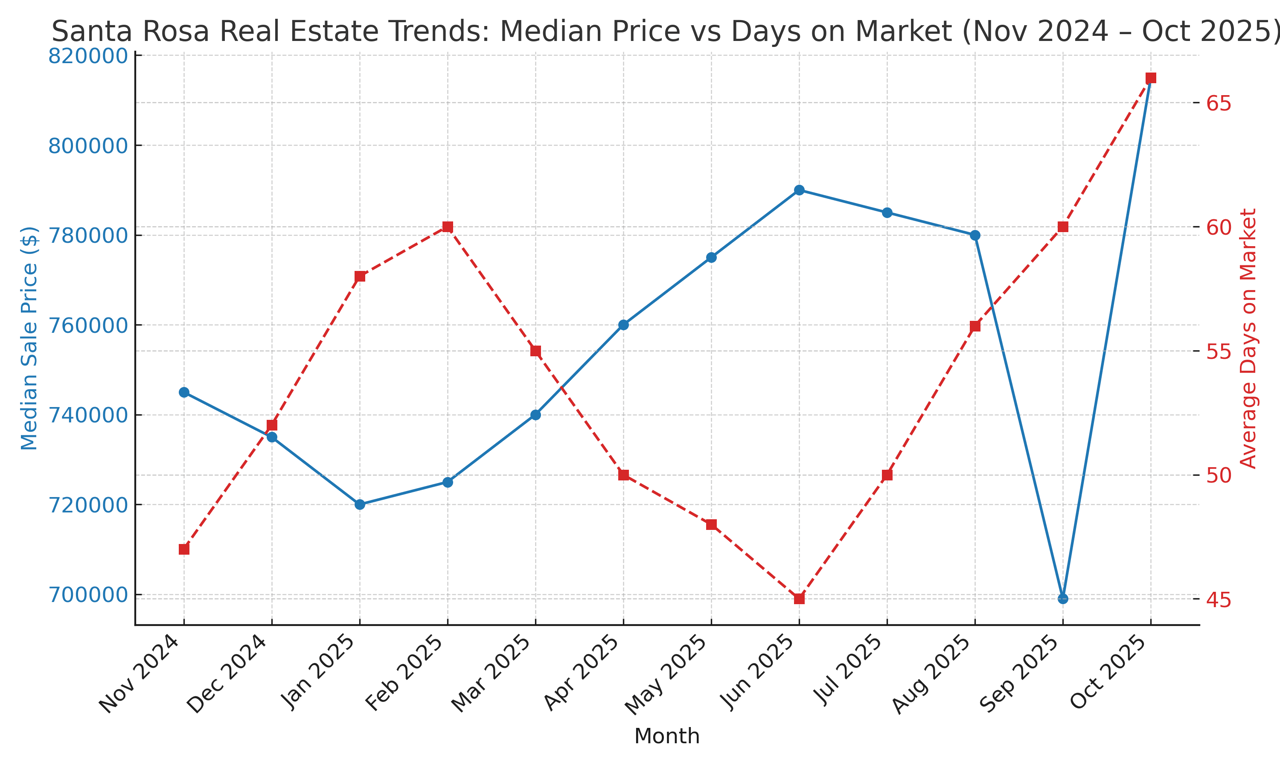
Less competition, motivated participants, and market insights for the season
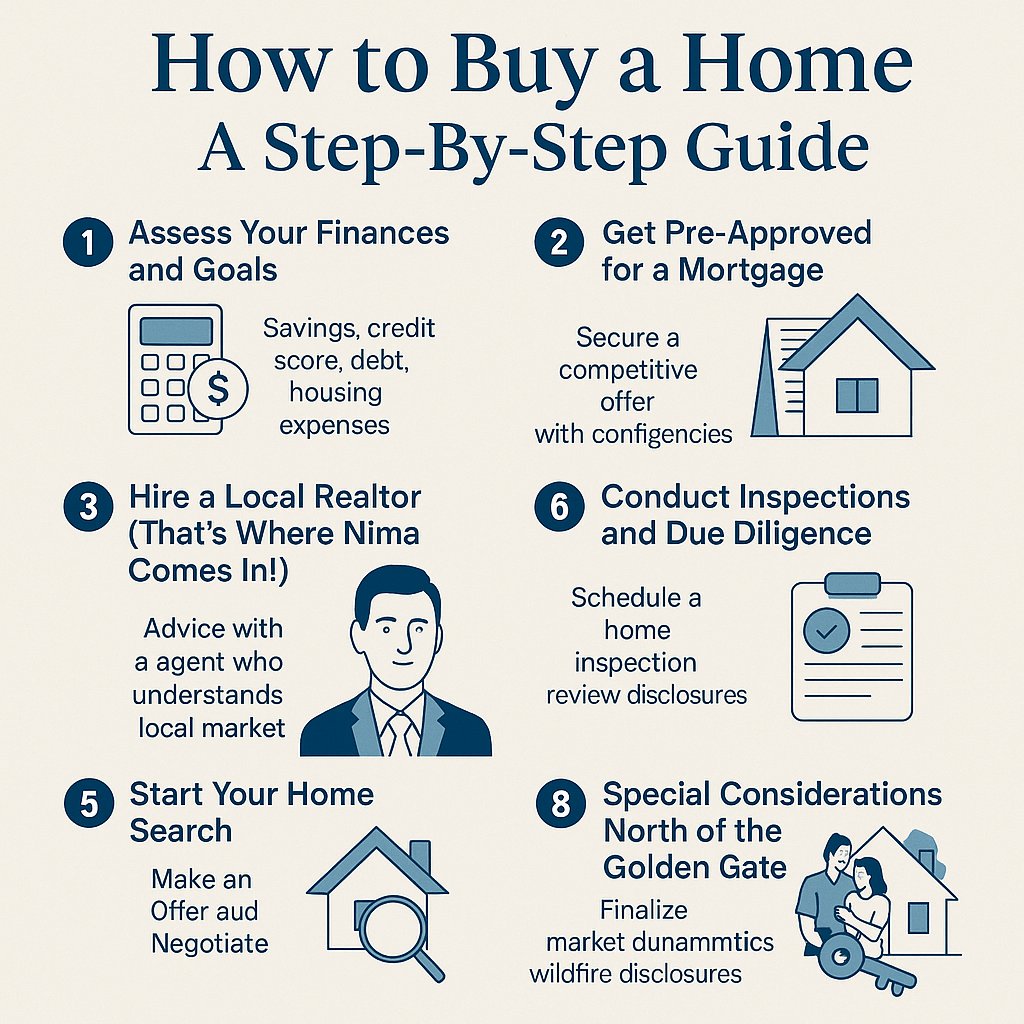
When to hire Nima, secure pre-approval, and navigate the North Bay market
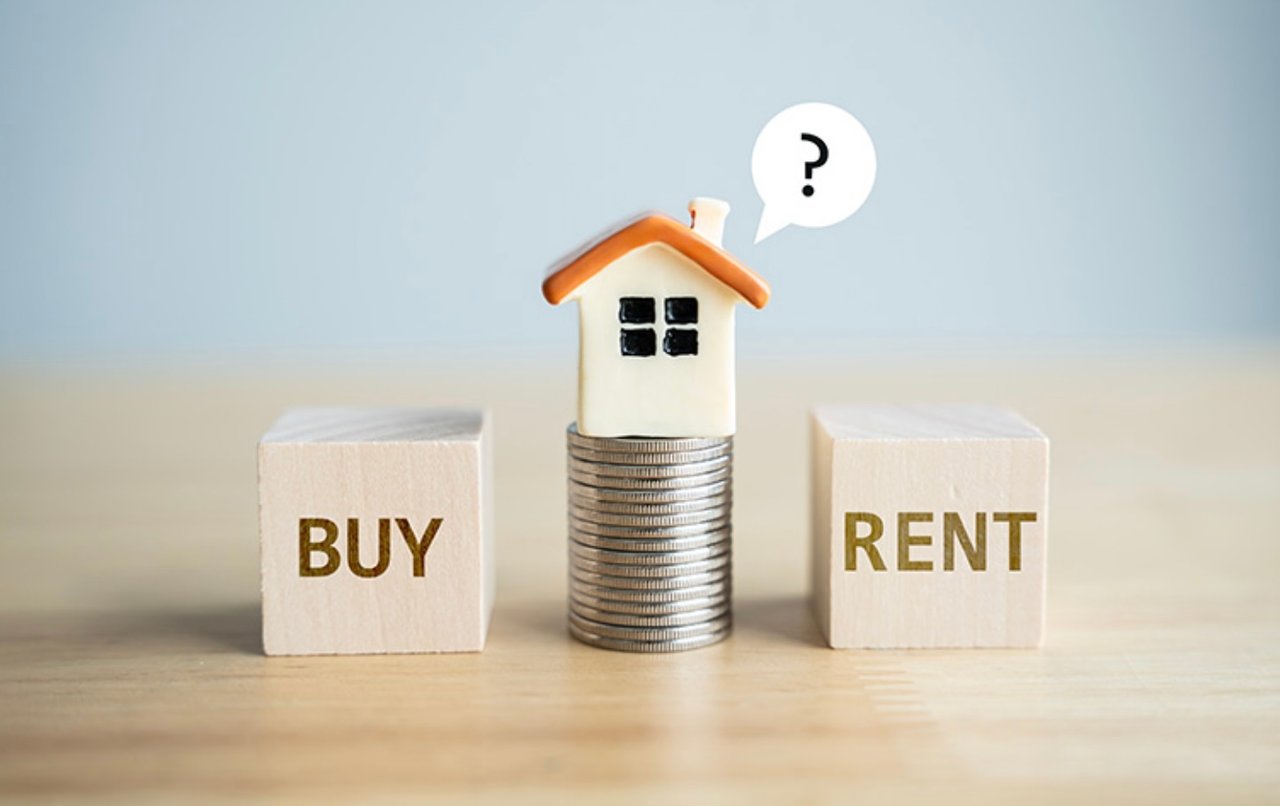
Exploring the pros and cons of homeownership versus renting across different time horizons
Whether you're buying, selling, or exploring options, Nima is dedicated to making the process smooth, informed, and rewarding. Reach out today for a personalized consultation and let’s make your real estate goals a reality!