Why Some Santa Rosa Homes Show Up on Google — and Others Don’t
Nima Kazeroonian January 20, 2026
Nima Kazeroonian January 20, 2026
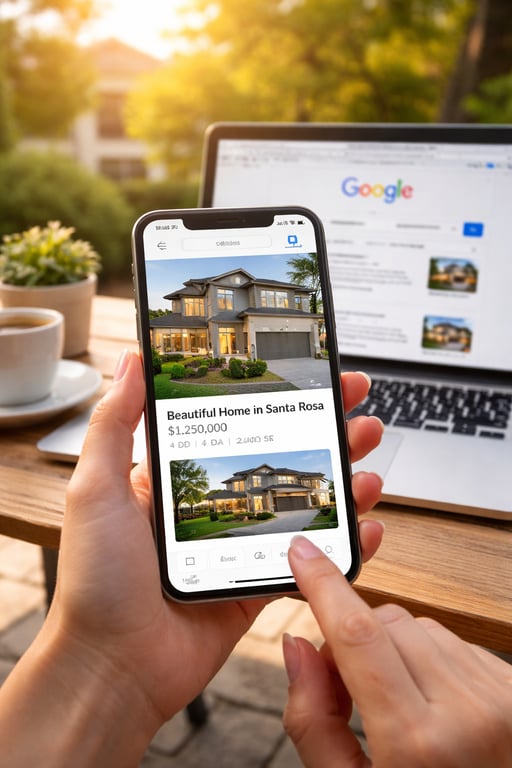
If you’ve ever typed an address, neighborhood, or even a street name into Google and been surprised by what shows up — or what doesn’t — you’re not alone.
One of the most common questions homeowners ask me (often without even realizing they’re asking it) is this: “Why does that home show up everywhere online, but mine doesn’t?”
The short answer is: it’s not random.
In today’s market, buyers don’t start their search by calling an agent. They start by Googling. And long before a showing ever happens, Google and AI-powered search engines are quietly deciding which homes, streets, and neighborhoods deserve attention.
Let’s break down what’s really going on — and why it matters more than most sellers realize.
Before a buyer ever schedules a showing, they’ve usually spent weeks — sometimes months — researching online.
They search things like:
“Homes for sale near Bennett Valley”
“Is this street a good area?”
“Santa Rosa demographics”
“What’s the zip code like?”
Or even a specific address
What surprises many homeowners is that buyers aren’t just looking for listings. They’re looking for context — information that helps them feel confident before they ever reach out.
And Google’s job is to decide which homes and information best answer those searches.
Here’s an important truth: Google doesn’t rank homes — it ranks relevance.
That means visibility is influenced by several behind-the-scenes factors, including:
When an address, street, or neighborhood is mentioned consistently across trusted sources (maps, public records, listings, local content), Google understands it as search-worthy.
Some homes naturally benefit from this more than others — especially those near:
Well-known neighborhoods
Recognizable streets
Sought-after school zones
This doesn’t mean one home is better — it just means it’s easier for search engines to understand.
When buyers repeatedly search similar terms — even without clicking — Google takes notice.
That means:
A home can show up in impressions without ever getting a click
Visibility can increase before showings ever happen
Interest often builds silently
This is why some sellers feel like activity “comes out of nowhere.” The research phase was happening quietly all along.
Homes connected to helpful, localized content tend to surface more often.
This includes:
Neighborhood guides
Market explanations
Educational posts about areas, pricing, or trends
It’s not about hype — it’s about clarity. Google rewards content that helps buyers make sense of their decisions.
Here’s where this gets important.
When your home shows up in search results — even indirectly — it builds familiarity. And familiarity builds confidence.
Buyers are far more likely to:
Click on a listing they’ve seen referenced before
Schedule a showing when an area feels “known”
Trust pricing when the context matches their research
On the flip side, when a home lacks online visibility, it doesn’t mean it’s undesirable — it simply means buyers may not encounter it as often during their research phase.
And in a competitive market, visibility often comes before urgency.
This is a key point many sellers miss.
Showing up on Google doesn’t automatically mean a higher price. But it does influence:
How confident buyers feel
How quickly they act
How seriously they view the home
Two similar homes can exist in the same area, yet one feels familiar while the other feels unknown — simply because of how buyers encountered them online.
That difference alone can impact momentum.
One of the biggest misconceptions is that no activity means no interest.
In reality, buyers often:
Research quietly
Compare multiple areas
Google the same terms repeatedly
Wait until something “clicks” emotionally
By the time they reach out, their decision-making is already well underway.
This is why understanding online visibility isn’t about marketing hype — it’s about meeting buyers where they already are.
If you’re thinking about selling — now or in the future — here’s the key takeaway:
Your home’s online presence plays a role long before the first showing.
That doesn’t mean every homeowner needs to become an SEO expert. It simply means working with someone who understands:
How buyers search
How visibility builds trust
How to align pricing, presentation, and context
The goal isn’t to chase algorithms. It’s to make sure buyers don’t overlook your home simply because it didn’t surface during their research.
If you’ve ever wondered how your home appears online — or whether buyers are quietly researching your area right now — that curiosity is well-founded.
Understanding visibility is no longer optional. It’s part of how real estate works today.
And when done thoughtfully, it helps the right buyers find the right home — at the right time.
If you’d like a clearer picture of how your home or neighborhood shows up in online searches, I’m always happy to walk you through it — no pressure, just clarity.
Discover what it is like to live in Rohnert Park’s M Section, including its homes, Magnolia Park, nearby schools, location, parking rules and current real estate consi… Read more
Mortgage rates may remain elevated after the Fed’s September 2026 rate increase, but correctly priced homes in Santa Rosa, Rohnert Park, Petaluma, Windsor, Cotati, and… Read more
Explore K Section’s location, Twin Creeks Park, nearby Sonoma State and the ownership costs to understand before buying.
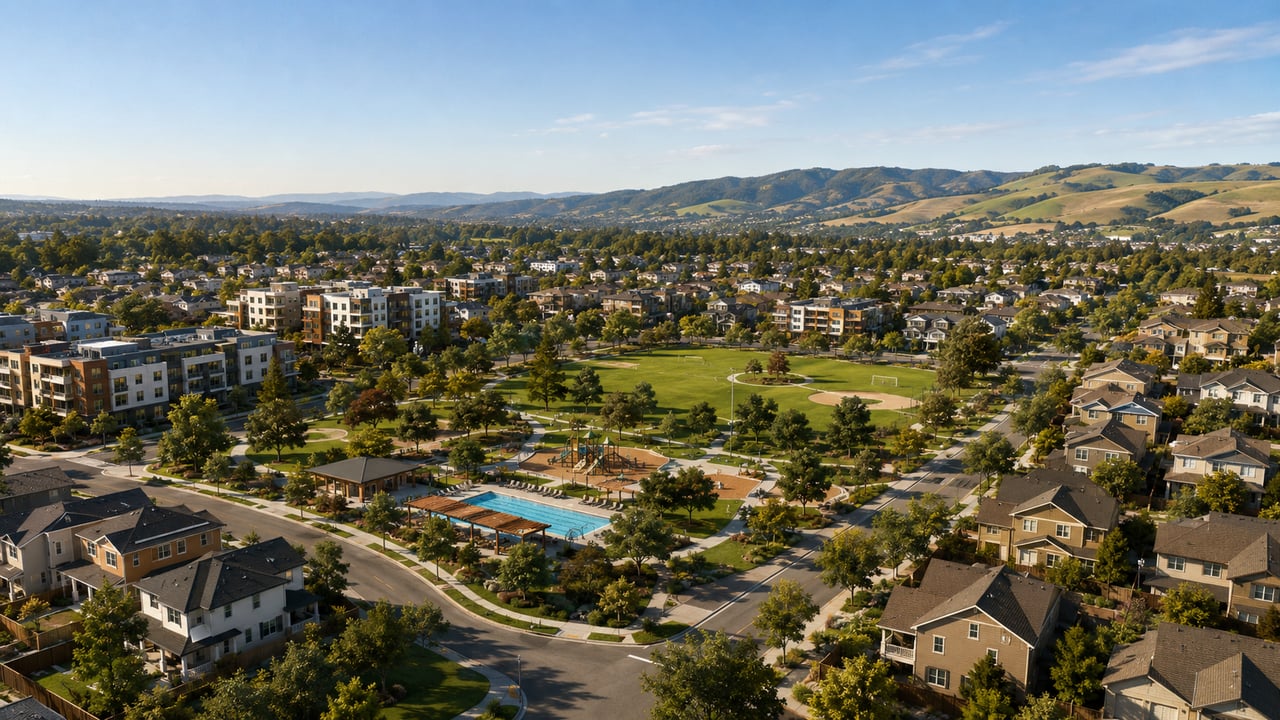
A local look at M Section housing, Magnolia Park, nearby schools, current prices and what Rohnert Park buyers and sellers should know.

An updated look at today’s mortgage rates, the economic forces controlling them, what forecasters expect through 2027 and why timing the market may cost Sonoma County … Read more

A local comparison of 2026 home prices, housing choices, neighborhoods, commute options, schools and everyday lifestyle across three popular Sonoma County communities.
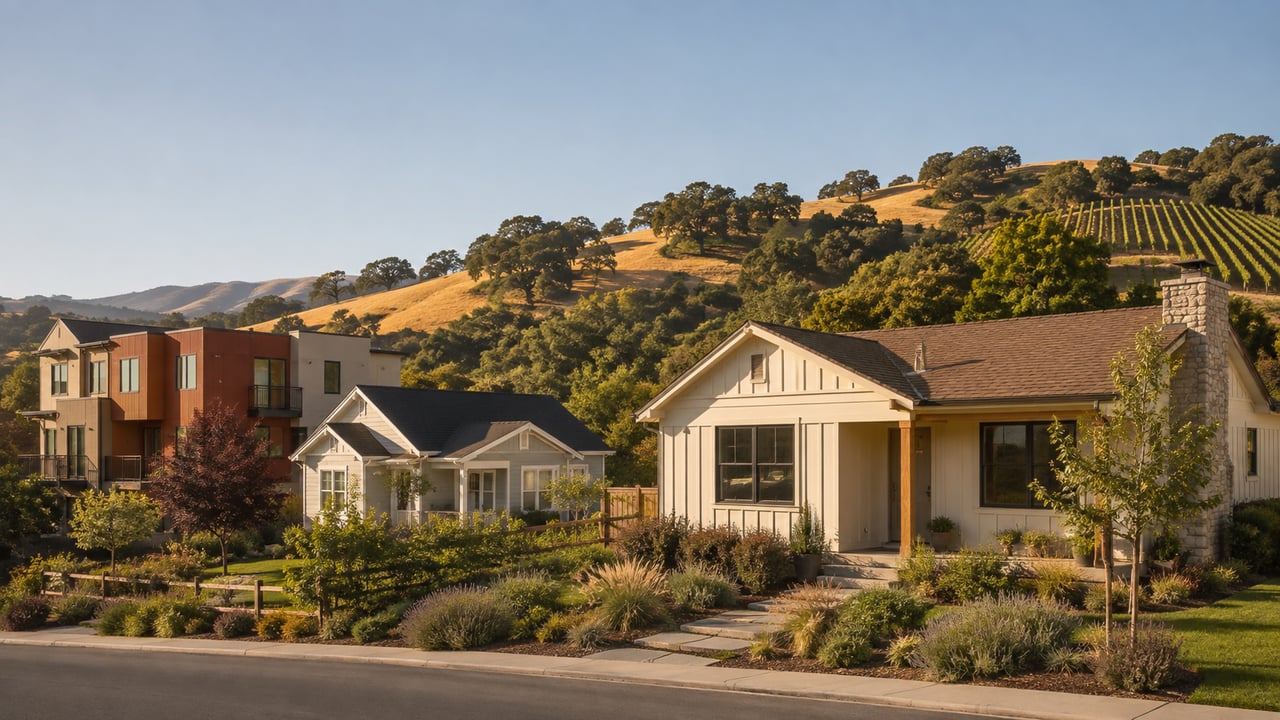
A City-by-City Guide to Houses, Condos and Townhomes Under $700K in Santa Rosa, Rohnert Park, Cloverdale, Cotati, Windsor and the Russian River

A Local Guide to Penngrove Real Estate Around $1 Million — Including Home Sizes, Acreage, ADU Potential, Wells, Septic Systems and What Buyers Should Expect Before Mak… Read more
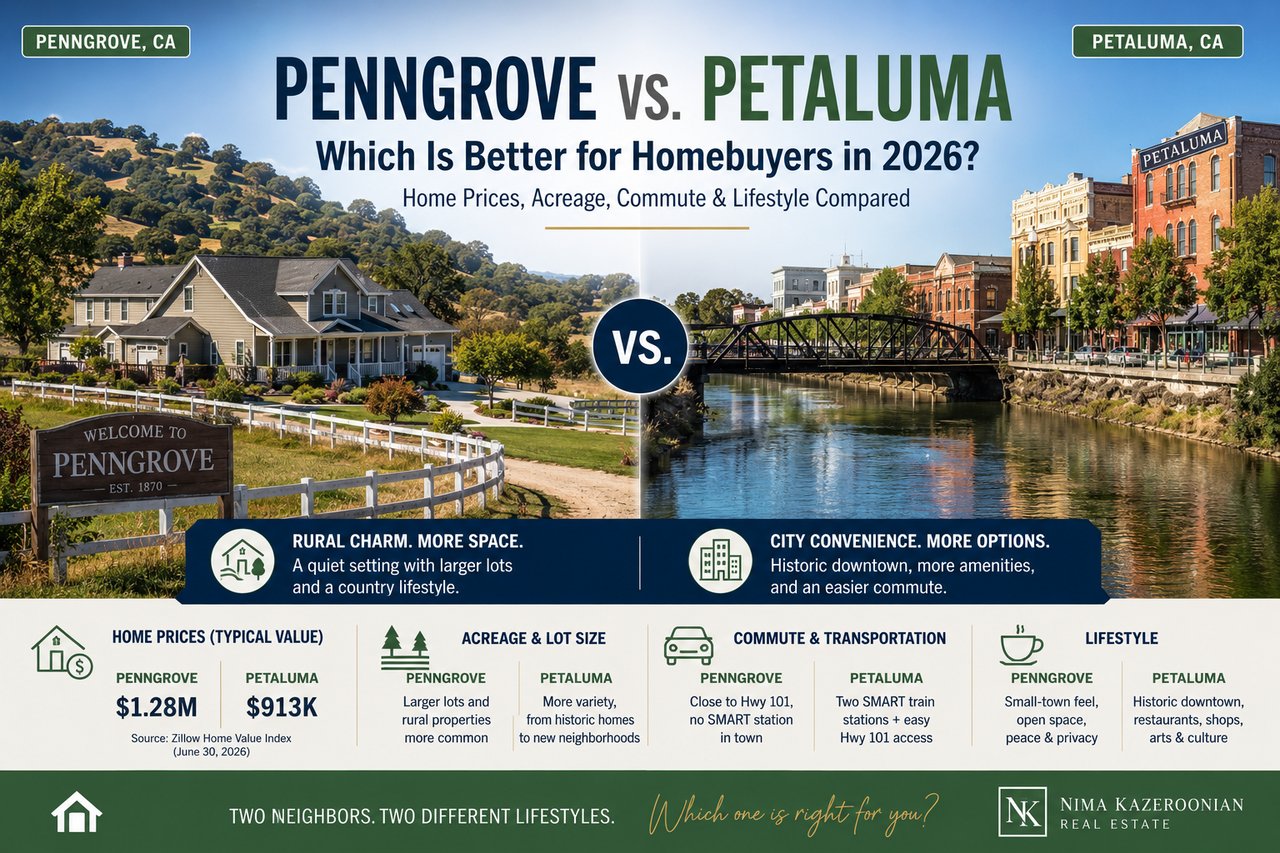
Penngrove offers more of the rural Sonoma County experience and larger-property opportunities, while Petaluma gives buyers a larger housing market, historic downtown, … Read more
Whether you're buying, selling, or exploring options, Nima is dedicated to making the process smooth, informed, and rewarding. Reach out today for a personalized consultation and let’s make your real estate goals a reality!