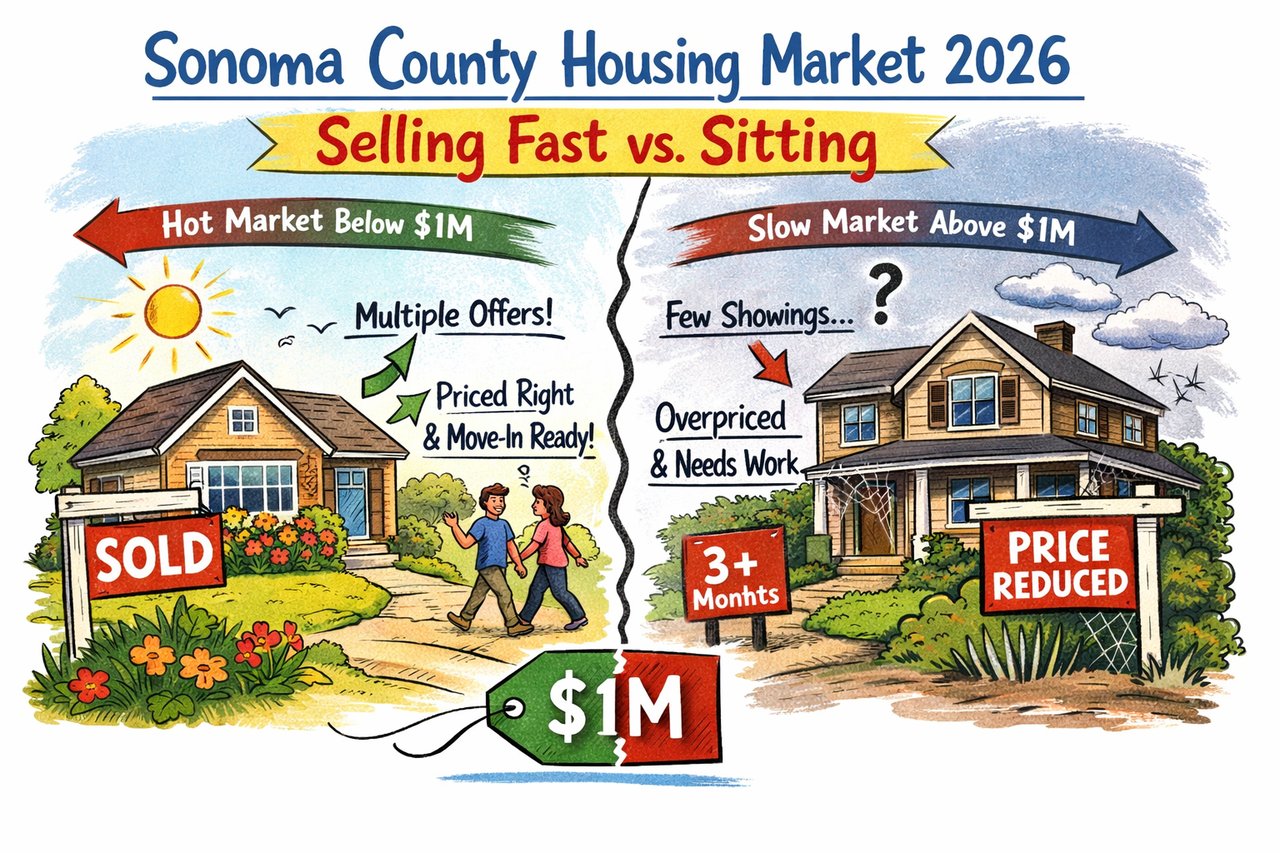
Why Some Sonoma County Homes Are Selling Fast in 2026 (While Others Sit)
Nima April 10, 2026
Nima April 10, 2026
If you’re watching homes pop on and off the market in Santa Rosa, Petaluma, Windsor, and surrounding Sonoma County neighborhoods, you’ve probably noticed something weird: some listings are moving quickly—sometimes with strong activity—and others just sit there, stacking up weeks of market time.
That’s not your imagination. Sonoma County’s 2026 housing market is behaving like a two-speed market, especially around the $1M price point. Below that, it’s tighter and more competitive; above it, days-on-market and discounting can climb. That split changes how you should price, prep, and market your home—because the strategy that works for one band can fail in the other.
Even if you’re not personally buying, you’re selling to someone who is—and mortgage rates shape buyer psychology. As of early April 2026, the national average 30-year fixed rate is hovering around mid-6% territory (recently reported at 6.37%). For buyers, that’s not “cheap money,” but it’s also not enough to freeze demand—especially in well-priced segments and desirable locations.
That’s why the market feels like it has two modes:
Your job as a seller (and my job as your broker) is to make sure your home lands in Mode 1.
Let’s be blunt: pricing is the king, queen, and entire royal family of real estate.
In 2026 Sonoma County, pricing strategy has to reflect what’s actually happening in the market, not what you hope is happening. The gap between the “fast market” and the “slow market” has widened. A recent Q1 2026 snapshot described the higher tier as having a much tougher climb, while the lower tier is closer to a seller’s market environment near $1M and under.
What smart sellers do:
What slow-selling listings do:
If your listing becomes stale, you lose the most valuable window you have: that first burst of attention when the listing is new and buyer eyes are fresh.
When rates were ultra-low, presentation mattered—but you could sometimes get away with mediocre prep because demand was relentless.
In 2026, it’s different. A recent Sonoma County market recap highlighted that higher-end properties are taking longer and require a more thoughtful approach: pricing, presentation, and marketing aren’t optional anymore—they’re everything.
Buyers are not just shopping homes; they’re shopping savings. If your home feels like a “project,” many buyers mentally add:
…and then they either discount you heavily or move on to the listing that’s clean, bright, and emotionally easy to say yes to.
Where prep creates big ROI:
Even in a “seller’s segment,” buyers can still be picky—because financing isn’t free. Presentation helps you hold the line on price.
Not all marketing is created equal. In a two-speed market, you don’t just need “exposure”—you need targeted exposure.
Bad marketing creates two problems:
Great marketing, especially in 2026, looks like:
This is the big one that most sellers underestimate: the market you’re in isn’t “Sonoma County” in general—it’s your specific price band.
A recent Q1 2026 snapshot pointed to a split at $1M, with conditions tightening below that level and deteriorating above it. That’s critical because it means the “rules” change mid-field. Above that line, days on market can expand and sellers are often accepting deeper discounts; below it, speed and urgency are more common.
So if you’re above that line, your strategy must be hyper-intentional:
And if you’re below that line, your strategy must be sharp and disciplined:
This is one of the most misunderstood parts of selling in 2026: the negotiation doesn’t start at the offer.
It starts with:
If you’ve been on the market too long, buyers assume you’re willing to deal. If your home looks like it needs work, buyers assume they’re taking on risk. If your listing reads like every other listing, buyers assume there’s nothing special.
That’s why the “sit” listings often become “discounted” listings later.
This is the hard truth: every day your home sits, you’re not just competing with other listings—you’re competing with time.
Time creates:
That’s why the goal is not “just sell”—it’s sell fast at the right number.
Your strategy must match your price band. Sub-$1M is a different game than $1.2M, and $1.2M is different than $2M. If you’re above the $1M line, expect more scrutiny and structure your plan accordingly.
Instead of “trying out” a number, build a pricing strategy designed to generate momentum. Momentum gives you:
If you want buyer urgency, you must make your home easy to say yes to. The market reward goes to the homes that feel “ready.”
Marketing isn’t decoration. It’s demand creation.
If the market gives you feedback, listen early. Your first week on market is priceless. Don’t waste it.
If you want to know which category your home falls into—and what it would take to get it sold quickly in 2026—reach out and I’ll give you a quick, no-pressure strategy review.
Tell me:
…and I’ll break down your best path to “fast sell,” not “sit and discount.”
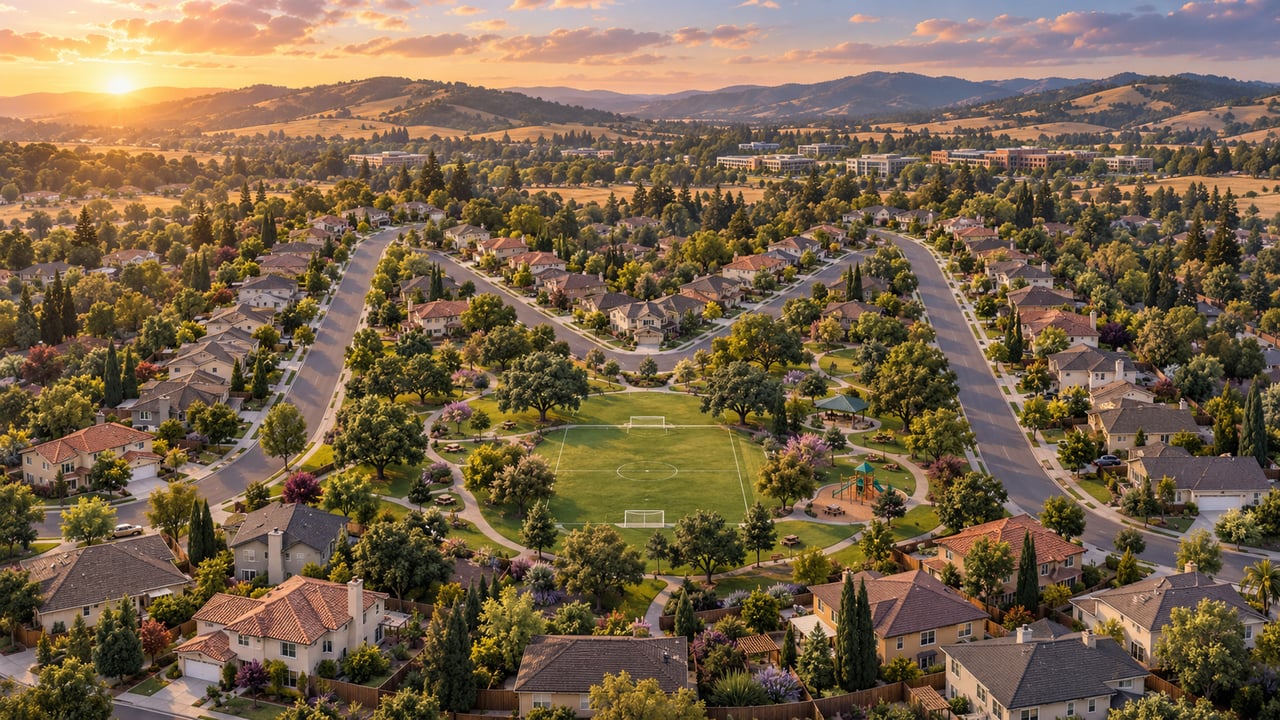
Discover what it is like to live in Rohnert Park’s M Section, including its homes, Magnolia Park, nearby schools, location, parking rules and current real estate consi… Read more
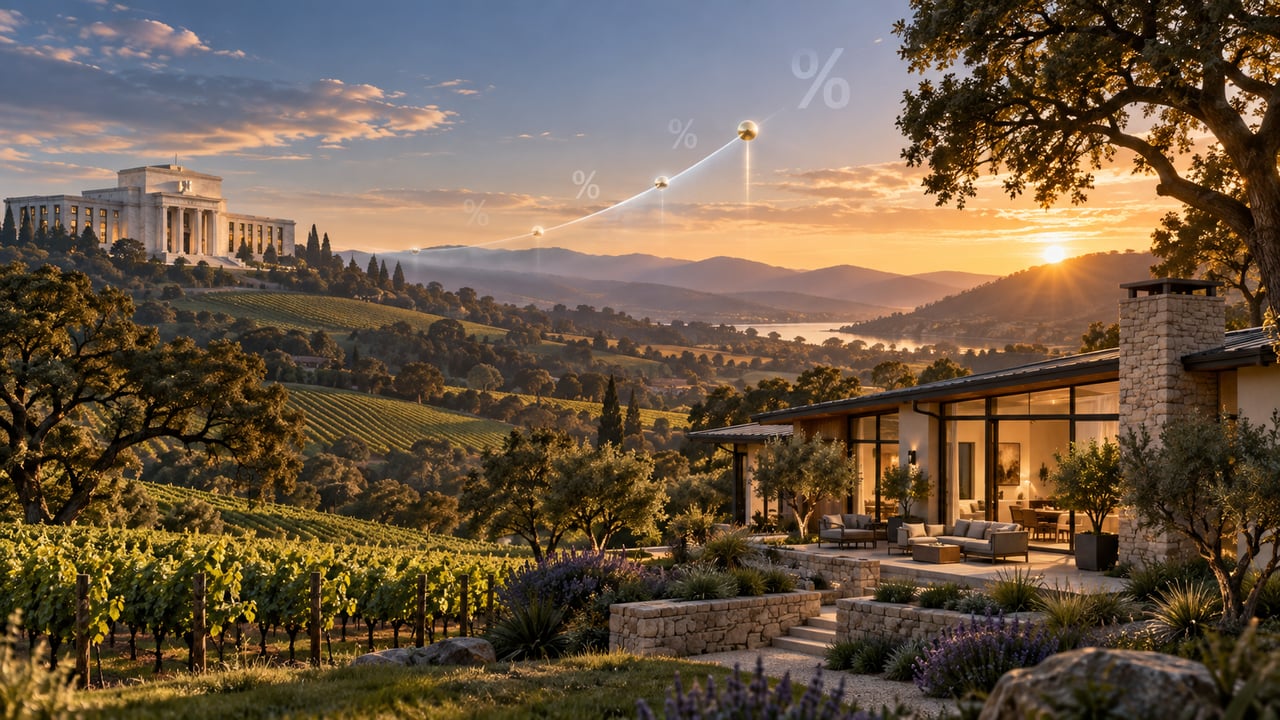
Mortgage rates may remain elevated after the Fed’s September 2026 rate increase, but correctly priced homes in Santa Rosa, Rohnert Park, Petaluma, Windsor, Cotati, and… Read more
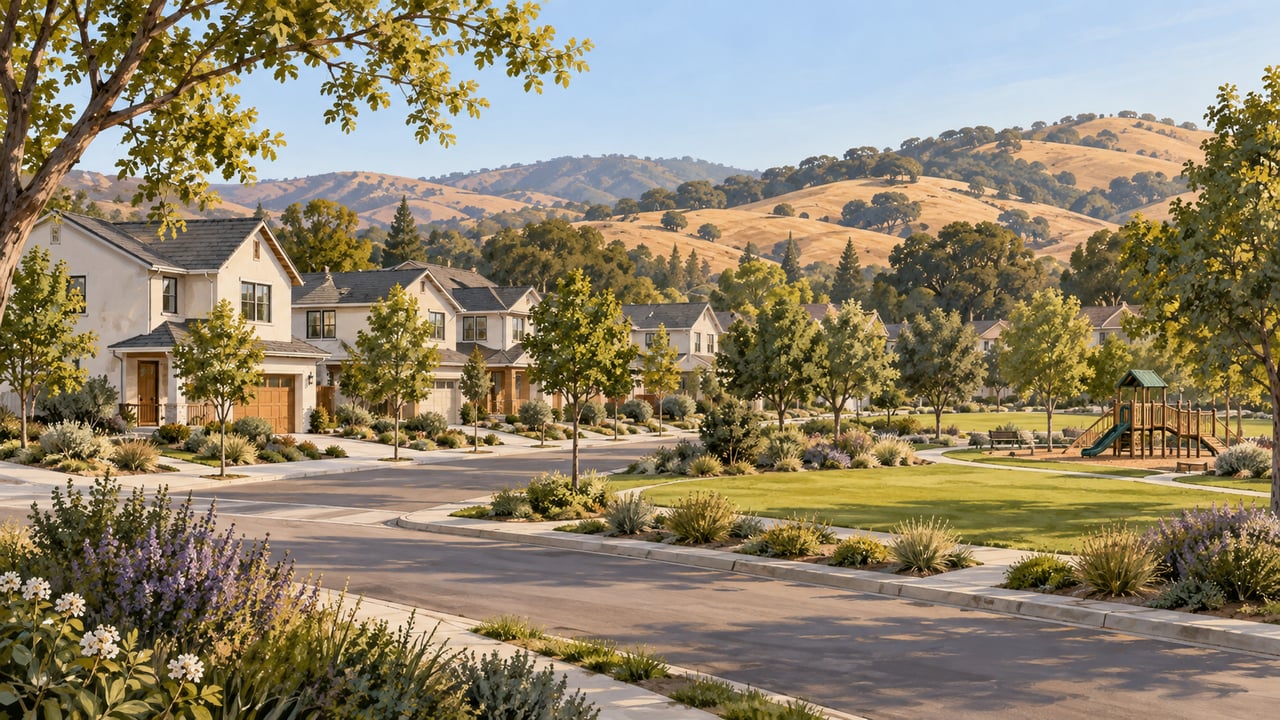
Explore K Section’s location, Twin Creeks Park, nearby Sonoma State and the ownership costs to understand before buying.
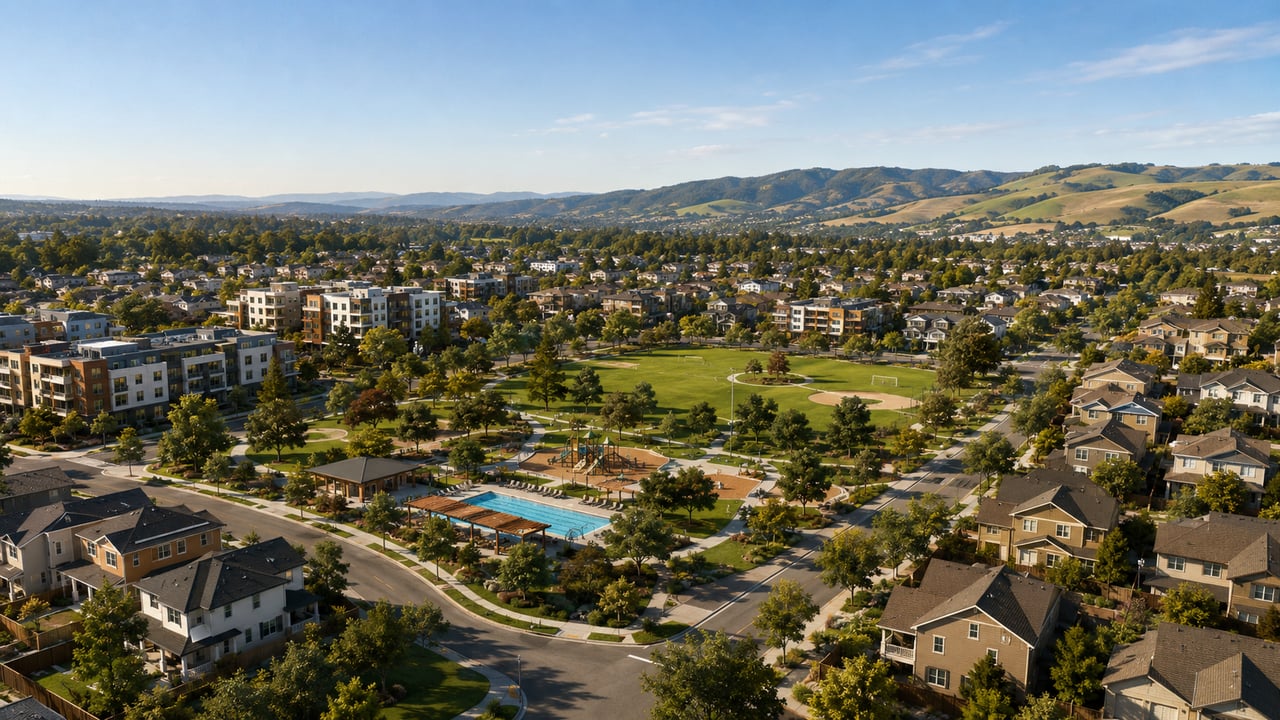
A local look at M Section housing, Magnolia Park, nearby schools, current prices and what Rohnert Park buyers and sellers should know.

An updated look at today’s mortgage rates, the economic forces controlling them, what forecasters expect through 2027 and why timing the market may cost Sonoma County … Read more

A local comparison of 2026 home prices, housing choices, neighborhoods, commute options, schools and everyday lifestyle across three popular Sonoma County communities.
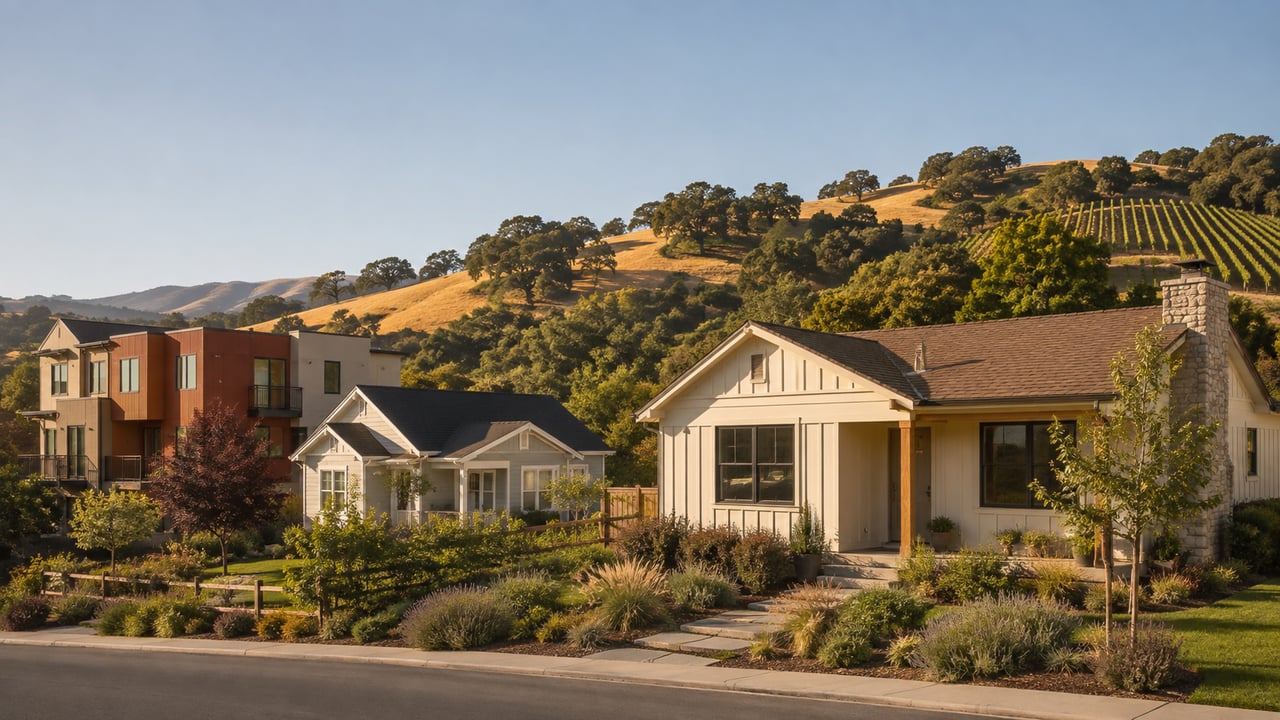
A City-by-City Guide to Houses, Condos and Townhomes Under $700K in Santa Rosa, Rohnert Park, Cloverdale, Cotati, Windsor and the Russian River
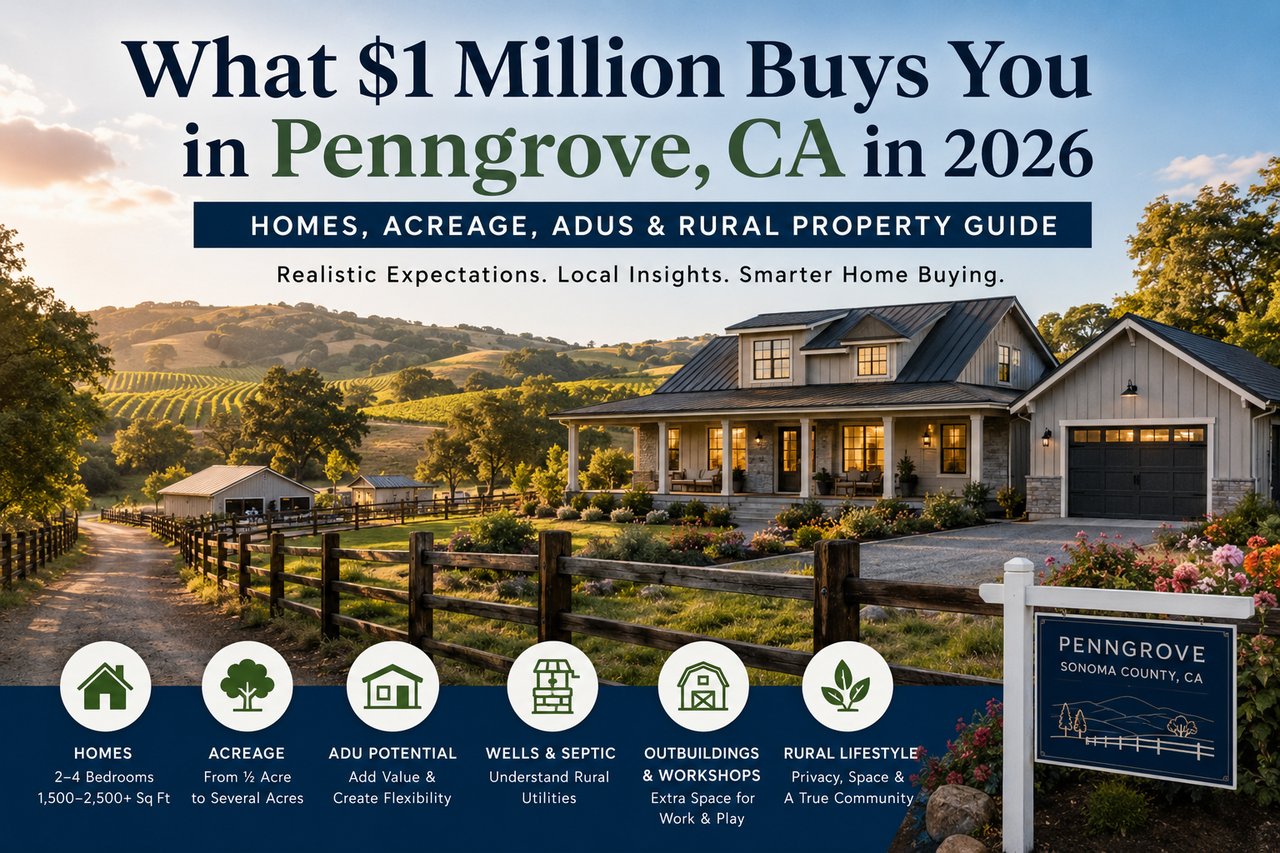
A Local Guide to Penngrove Real Estate Around $1 Million — Including Home Sizes, Acreage, ADU Potential, Wells, Septic Systems and What Buyers Should Expect Before Mak… Read more
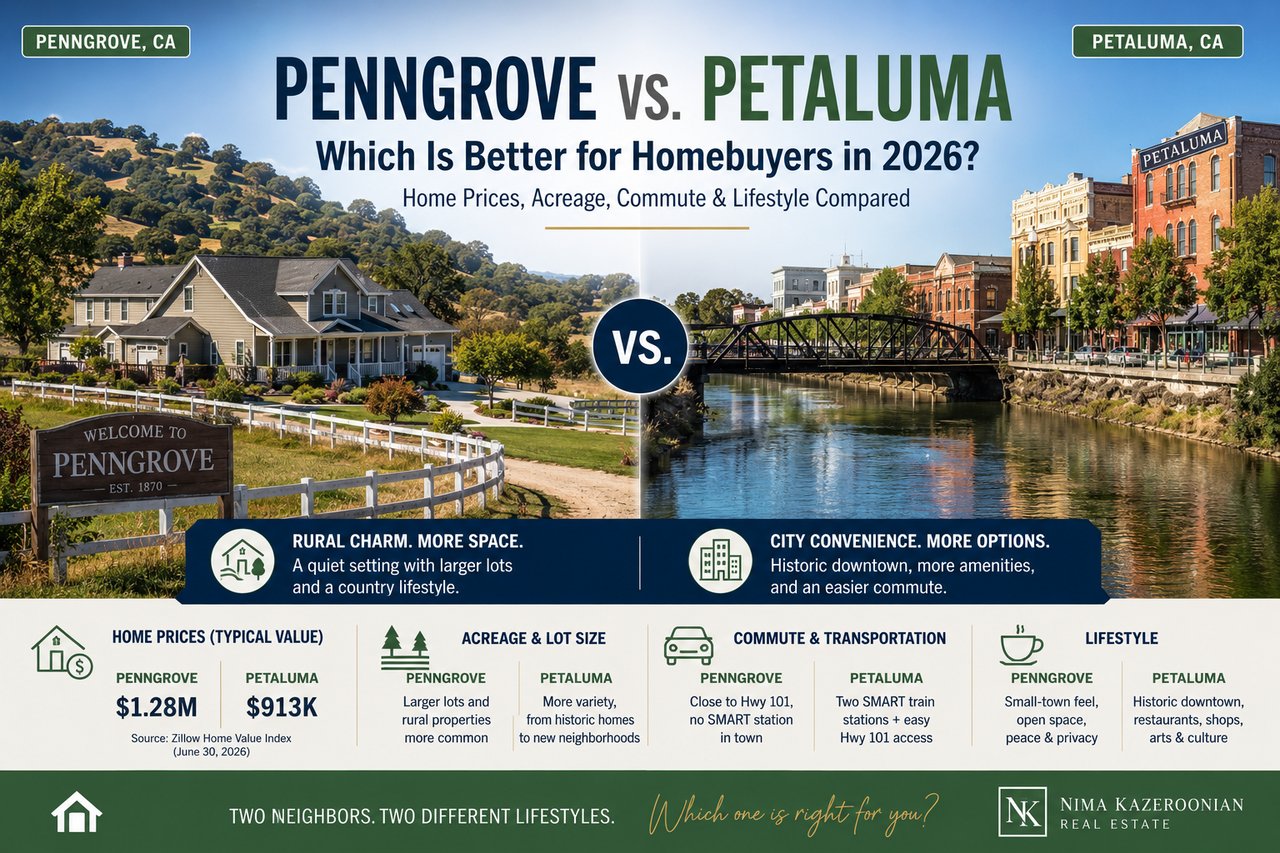
Penngrove offers more of the rural Sonoma County experience and larger-property opportunities, while Petaluma gives buyers a larger housing market, historic downtown, … Read more
Whether you're buying, selling, or exploring options, Nima is dedicated to making the process smooth, informed, and rewarding. Reach out today for a personalized consultation and let’s make your real estate goals a reality!