
Why Two Homes on the Same Street in Santa Rosa Can Sell for $200,000 Apart
Nima Kazeroonian January 16, 2026
Nima Kazeroonian January 16, 2026
If you’ve ever driven down a street in Santa Rosa and seen two similar-looking homes sell for dramatically different prices, you’re not alone—and you’re not imagining things.
This is one of the most common (and confusing) questions I hear from homeowners and buyers alike:
“How did that house sell for $200,000 more when it’s basically the same as mine?”
The short answer: price differences are rarely about square footage alone.
The long answer—and the one that actually matters—comes down to a series of subtle, hyper-local factors that don’t show up in online estimates or generic market reports.
In this guide, I’ll break down exactly why two homes on the same Santa Rosa street can sell for $200,000 apart, using real-world buyer behavior, neighborhood-level insights, and what’s actually happening in the 2026 market.
Buyers don’t just buy a street—they buy a specific position on that street.
Two homes may share an address line, but buyers notice:
Proximity to a busy intersection
Whether a home backs to open space, a fence line, or another house
Slight elevation changes (even a few feet matters)
Traffic flow and parking patterns
In neighborhoods like Bennett Valley or Rincon Valley, a home tucked deeper into a street or backing to hills can command a meaningful premium—even if the homes look identical on paper.
Buyers feel these differences immediately, often subconsciously, and they’re willing to pay for them.
Two homes can both be 1,850 square feet—but live completely differently.
Buyers pay more for:
Open kitchen-to-living layouts
Primary suites that feel separated from other bedrooms
Natural light and ceiling height
Floor plans that “flow” instead of feeling chopped up
A home that feels larger will often sell for far more than one that technically is larger.
This is one of the biggest reasons pricing gaps surprise homeowners. The market prices experience, not math.
Many sellers think condition is simple: updated or not updated.
Buyers see condition on a spectrum:
Turnkey and modern
Clean but dated
Functional but tired
“Feels like work”
A home that’s clean, neutral, and move-in ready can easily sell for $150,000–$200,000 more than a similar home that needs cosmetic updates—even if those updates don’t cost anywhere near that amount.
Why?
Because buyers are factoring:
Time
Stress
Inflation uncertainty
Contractor availability
In 2026, certainty is valuable, and buyers pay a premium for it.
This is where online estimates fall apart.
Two homes on the same street may differ in:
Morning vs afternoon sunlight
Window placement
Backyard orientation
Privacy from neighbors
A brighter home with good light will consistently outperform a darker one—even if they share the same floor plan.
Buyers may not articulate it clearly, but they’ll say things like:
“This one just feels better”
“I could see myself here”
That emotional response often equals a six-figure difference.
Not all renovations are created equal.
Buyers in Santa Rosa consistently pay more for:
Updated kitchens (even modest ones)
Bathrooms that feel clean and current
Flooring that’s cohesive throughout the home
Fresh, neutral paint
They care far less about:
Overly personalized design
Expensive but niche upgrades
Features that don’t photograph well
Two sellers can spend similar amounts—but the seller who upgrades strategically almost always wins the pricing game.
This one surprises people.
Sometimes the price difference isn’t because one home was “better”—it’s because one was priced better.
Correct pricing can:
Create urgency
Trigger multiple offers
Push buyers beyond their comfort zone
Overpricing, on the other hand:
Reduces showings
Causes buyers to wait
Leads to price reductions that weaken leverage
In competitive Santa Rosa pockets, the right pricing strategy can add six figures. The wrong one can quietly cost the same.
Professional photography, staging, and exposure aren’t just about looks. They shape perception.
Homes that sell for a premium almost always:
Photograph clean and bright
Show consistency in design
Are marketed to highlight lifestyle, not just specs
Buyers don’t compare homes objectively. They compare how homes make them feel online first—and that shapes what they’re willing to pay in person.
Even within the same month, timing matters.
One home may sell:
Before interest rate news
During a surge of active buyers
When inventory is temporarily tight
Another may hit the market weeks later under less favorable conditions.
Same street. Same market. Different momentum.
If you’re thinking about selling—or even just curious about your value—the biggest mistake is assuming your home’s price is determined by:
Your neighbor’s sale
Online estimates
A generic price per square foot
In reality, your home’s value lives in the details buyers respond to, many of which are invisible unless you’re analyzing the market daily.
That’s why two homes on the same street can sell for $200,000 apart—and why pricing your home correctly requires more than pulling comps.
Santa Rosa isn’t one market. It’s dozens of micro-markets layered with buyer psychology, timing, and presentation.
If you want to know:
Why one home outperformed another
Where your home actually sits
What buyers would pay today, not theoretically
That conversation usually takes 10 minutes—and often saves or earns far more than people expect.
If you want, tell me:
Your neighborhood
Your street
Or the last sale you’re comparing yourself to
And I’ll break down the real reason behind the price difference.
Along with this checklist, seeking guidance from a professional is always a good idea!

Gov't Shutdown


Less competition, motivated participants, and market insights for the season
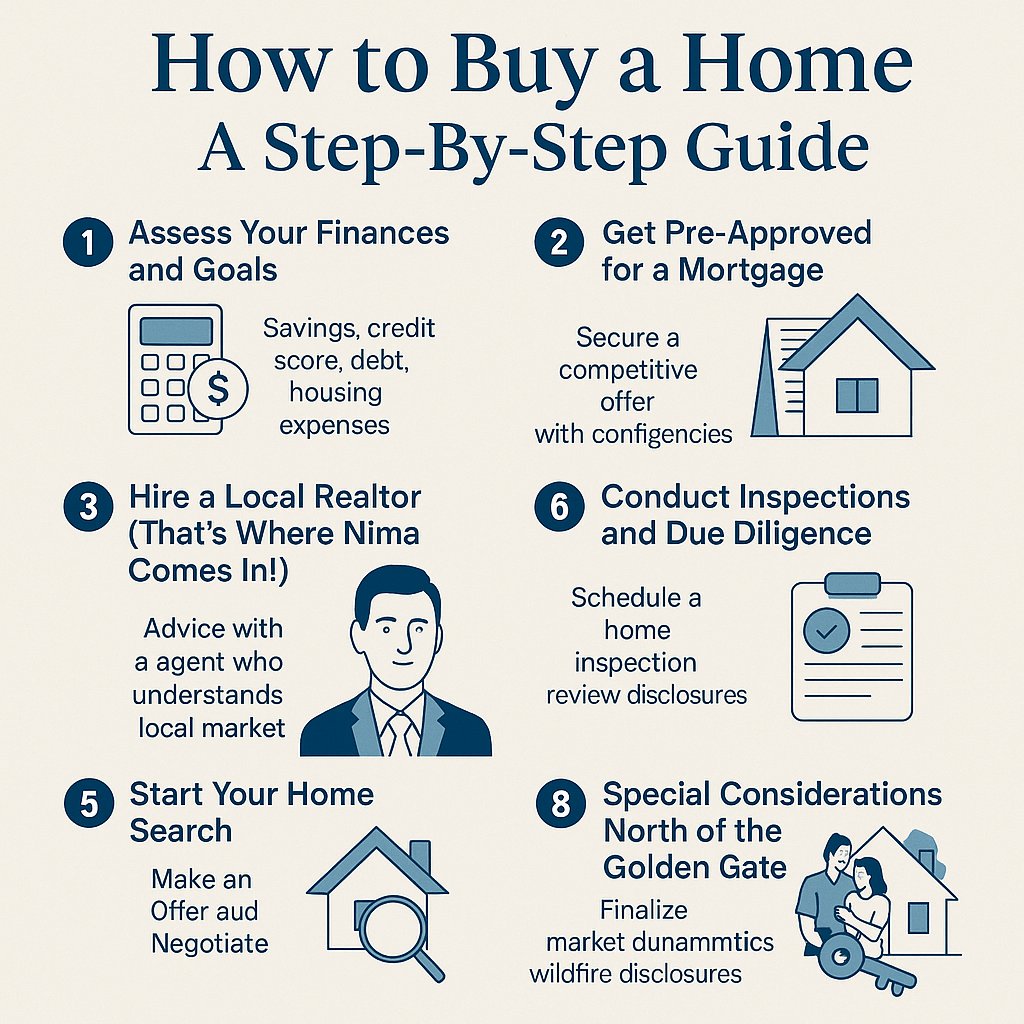
When to hire Nima, secure pre-approval, and navigate the North Bay market
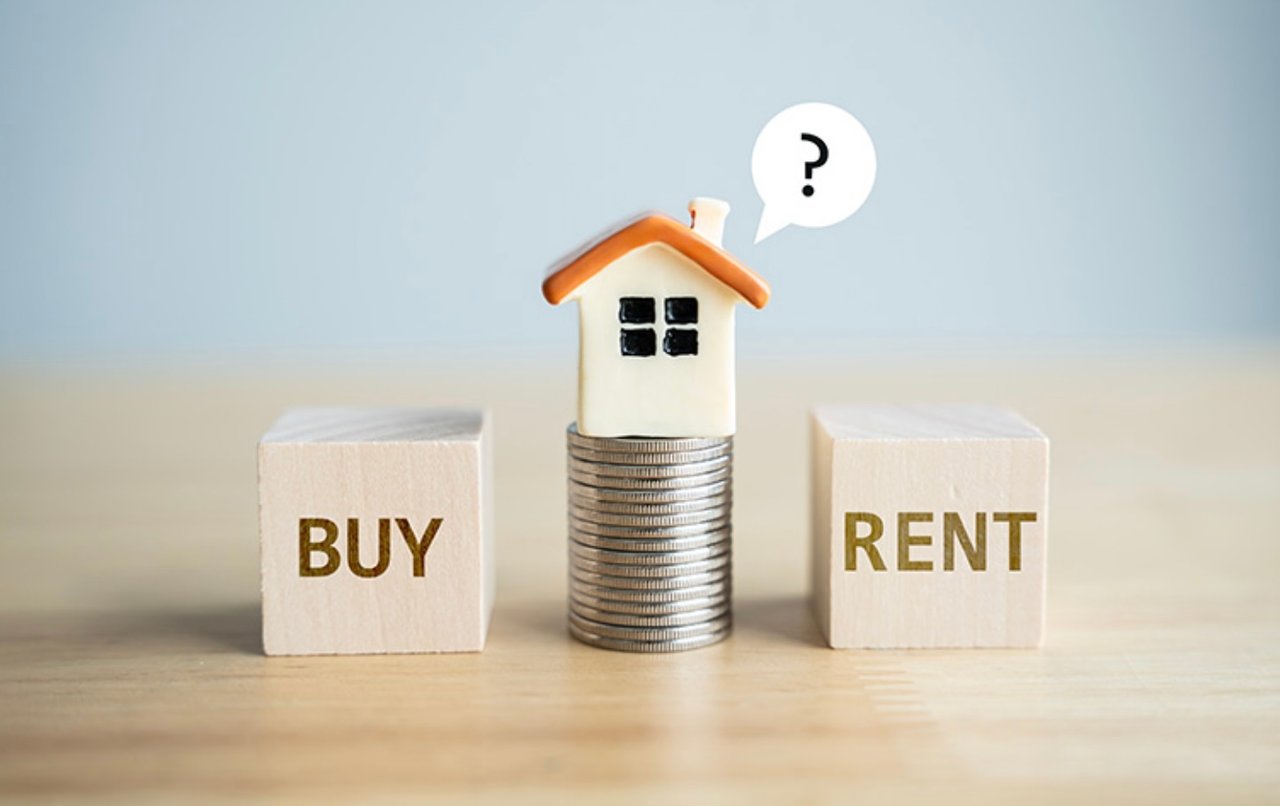
Exploring the pros and cons of homeownership versus renting across different time horizons
Whether you're buying, selling, or exploring options, Nima is dedicated to making the process smooth, informed, and rewarding. Reach out today for a personalized consultation and let’s make your real estate goals a reality!