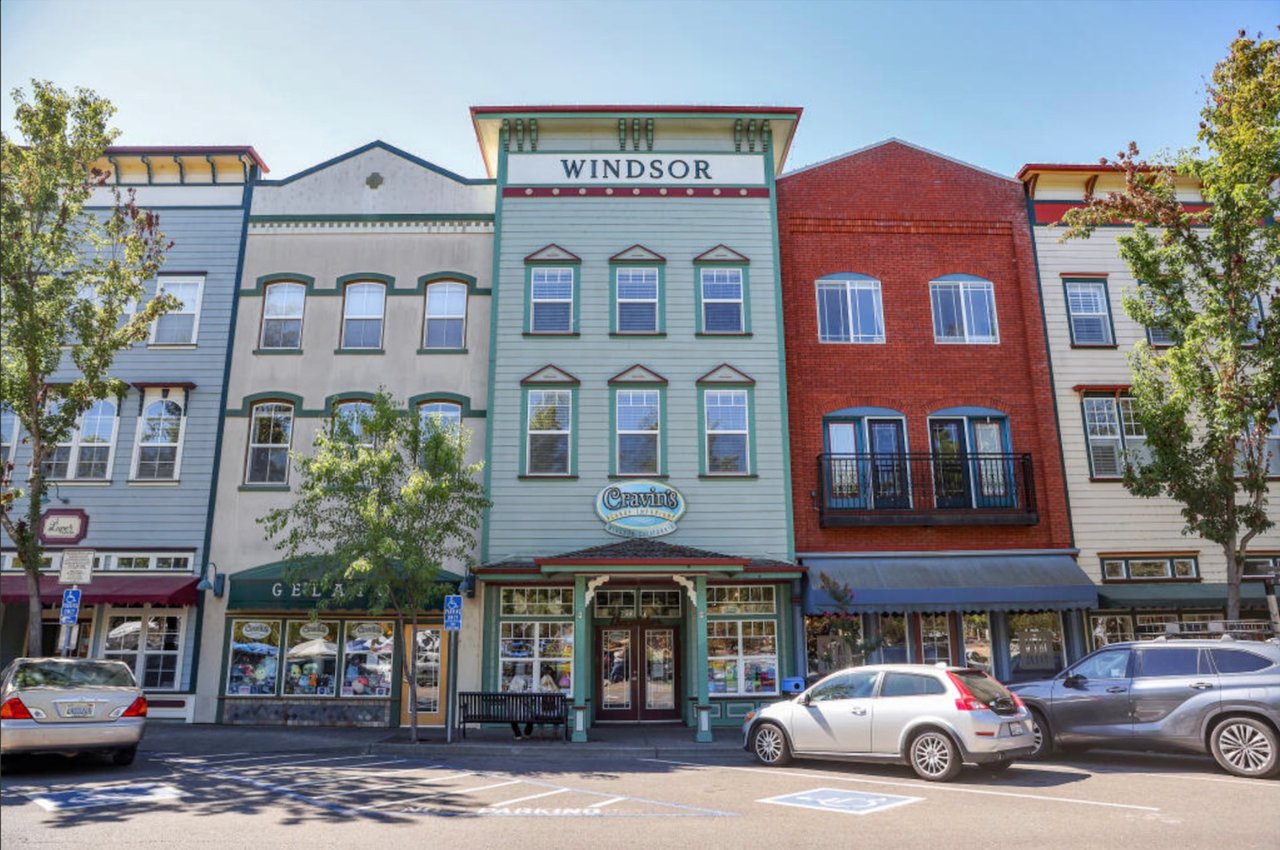
Windsor Home Values by Neighborhood: Where Buyers Pay Premiums — and Where They Don’t (2026 Guide)
Nima Kazeroonian January 23, 2026
Nima Kazeroonian January 23, 2026
If you look at Windsor’s “average home price,” you’ll miss the most important part of the story.
Buyers don’t shop averages. They shop neighborhoods, streets, school pockets, walkability, and feel. That’s why two homes in Windsor—both with similar square footage and built within a few years of each other—can sell for vastly different prices.
In 2026, Windsor remains one of Sonoma County’s most searched cities, but value inside Windsor is far from uniform. Some areas consistently command premiums, while others see price ceilings that buyers are reluctant to cross. Understanding why makes all the difference—especially if you’re a homeowner thinking about selling or a buyer trying to avoid overpaying.
This guide breaks down how buyers actually value different parts of Windsor, what drives pricing beyond the headline numbers, and how to think about Windsor home values the same way today’s buyers do.
Today’s buyers arrive informed. Before scheduling a showing, they’ve already:
Looked at satellite maps and street views
Compared school boundaries
Reviewed commute patterns
Scanned neighborhood layout and proximity to parks, trails, and retail
As a result, micro-location inside Windsor has become more important than broad market conditions.
In practical terms, this means:
Homes in highly desirable pockets attract more competition
Buyers stretch further only when they perceive lasting value
Two “comparable” homes can sit in entirely different pricing tiers
Certain Windsor neighborhoods consistently outperform the city average. These areas tend to share a few key traits: strong curb appeal, established identity, convenient access, and buyer confidence that value will hold long term.
Buyers place a premium on neighborhoods that feel intentional rather than pieced together. Areas with consistent architecture, mature landscaping, and quieter internal streets tend to sell faster and closer to—or above—asking price.
These neighborhoods benefit from:
Strong first impressions
Lower buyer hesitation
Fewer perceived risks
Homes here often attract multiple offers even in more balanced market conditions.
Access matters—but not just distance. Buyers pay more for homes that feel integrated into Windsor’s lifestyle: walking paths, nearby parks, and community gathering spaces.
Homes within easy reach of:
Neighborhood parks
Trail systems
Downtown Windsor or the Town Green
…tend to command a premium because buyers associate them with quality of life, not just convenience.
Even within the same subdivision, certain streets outperform others. Buyers consistently pay more for:
Cul-de-sacs with limited traffic
Streets with consistent upkeep
Homes without direct backing to busy roads
These factors may not show up on a spreadsheet, but they absolutely show up in final sale prices.
Not every neighborhood in Windsor benefits from the same buyer enthusiasm. That doesn’t mean these areas lack value—but buyers are more price-sensitive and less willing to stretch.
Areas with higher housing density or a mix of residential and commercial influences often see:
Longer days on market
Fewer competing offers
More negotiation around price
Buyers still purchase here, but expectations are tighter. Price has to align clearly with condition and location.
Proximity to major roads, even by a block or two, can create a noticeable pricing gap. Buyers factor in:
Noise
Traffic patterns
Perceived long-term desirability
As a result, these homes often face a price ceiling regardless of interior upgrades.
Buyers gravitate toward areas they can easily describe and understand. When a neighborhood lacks a defined character, buyers become more cautious—especially in a market where options exist.
While location sets the range, specific features often determine where a home lands within that range.
Buyers consistently prioritize:
Open living spaces
Functional kitchens
Flexible rooms for work or guests
A well-designed 1,900-square-foot home will often outperform a larger but awkwardly laid-out property.
In 2026, buyers strongly favor homes that feel “ready.” That doesn’t mean luxury—but it does mean:
Clean lines
Neutral finishes
No obvious deferred maintenance
Homes that require visible work almost always face stronger price resistance.
Backyards don’t need to be large—but they do need to feel intentional. Buyers pay more for:
Defined outdoor areas
Privacy
Easy indoor-outdoor flow
Especially in Windsor, usable outdoor space is a meaningful value driver.
Many sellers assume value is driven primarily by:
How much they paid
How much they’ve invested
What a neighbor’s home sold for
Buyers don’t see it that way.
They care far more about:
How the home compares to alternatives right now
How it feels relative to the street and neighborhood
Whether the price aligns with perceived lifestyle value
This is why two homes with similar stats can land in completely different price brackets.
In Windsor’s current market, pricing too high rarely creates leverage. Instead, it often:
Reduces early interest
Signals overconfidence to buyers
Leads to longer market time and price adjustments
Homes that are priced market-smart—not aggressively, not conservatively—tend to attract the strongest activity and the cleanest offers.
Windsor, CA doesn’t have one housing market. It has dozens of micro-markets, each shaped by buyer psychology, location nuances, and lifestyle expectations.
Understanding **where buyers pay premiums—and why—**is the key to making smart decisions, whether you’re preparing to sell or planning your next purchase.
If you’re curious how buyers would likely view your home within Windsor’s pricing landscape, that conversation starts with understanding your neighborhood—not just your square footage.
If you’d like a neighborhood-specific value breakdown or want to see where your home would realistically land in today’s market, that’s something I’m happy to walk through with you.
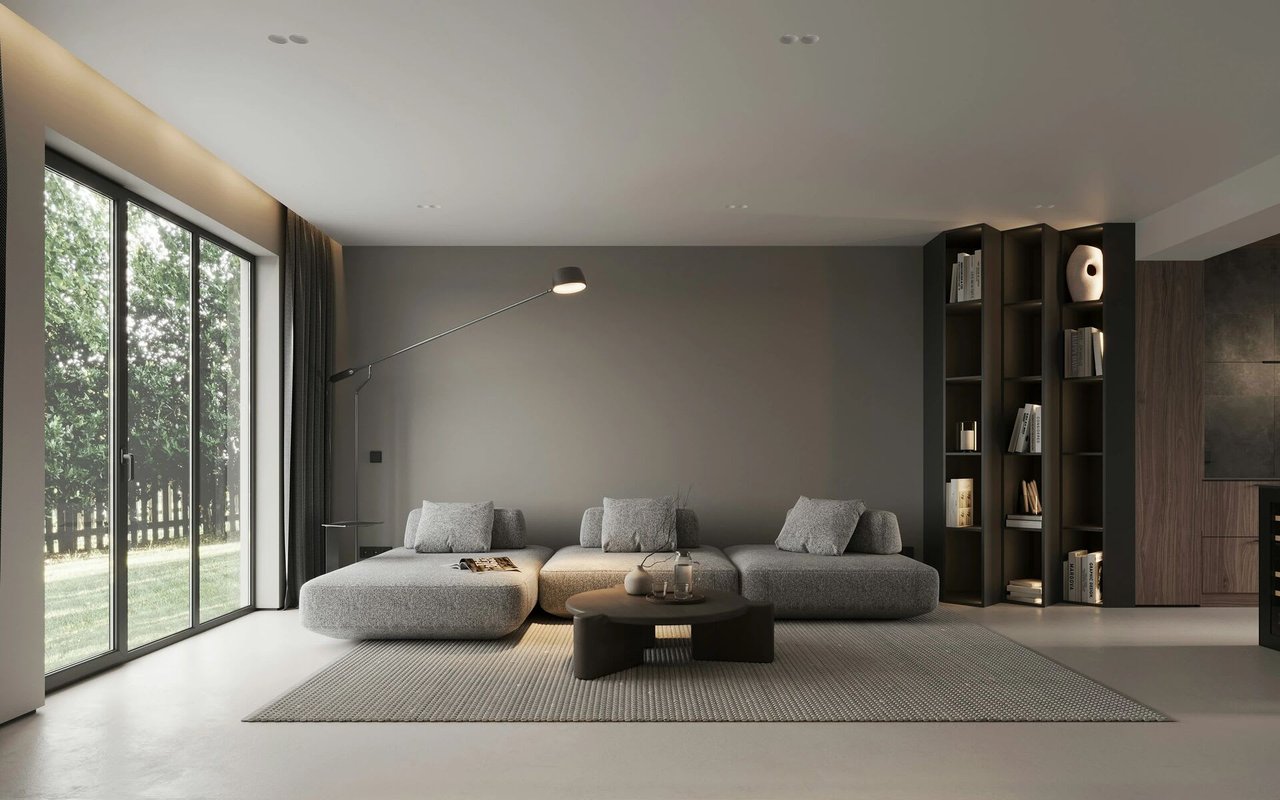
Along with this checklist, seeking guidance from a professional is always a good idea!
Gov't Shutdown
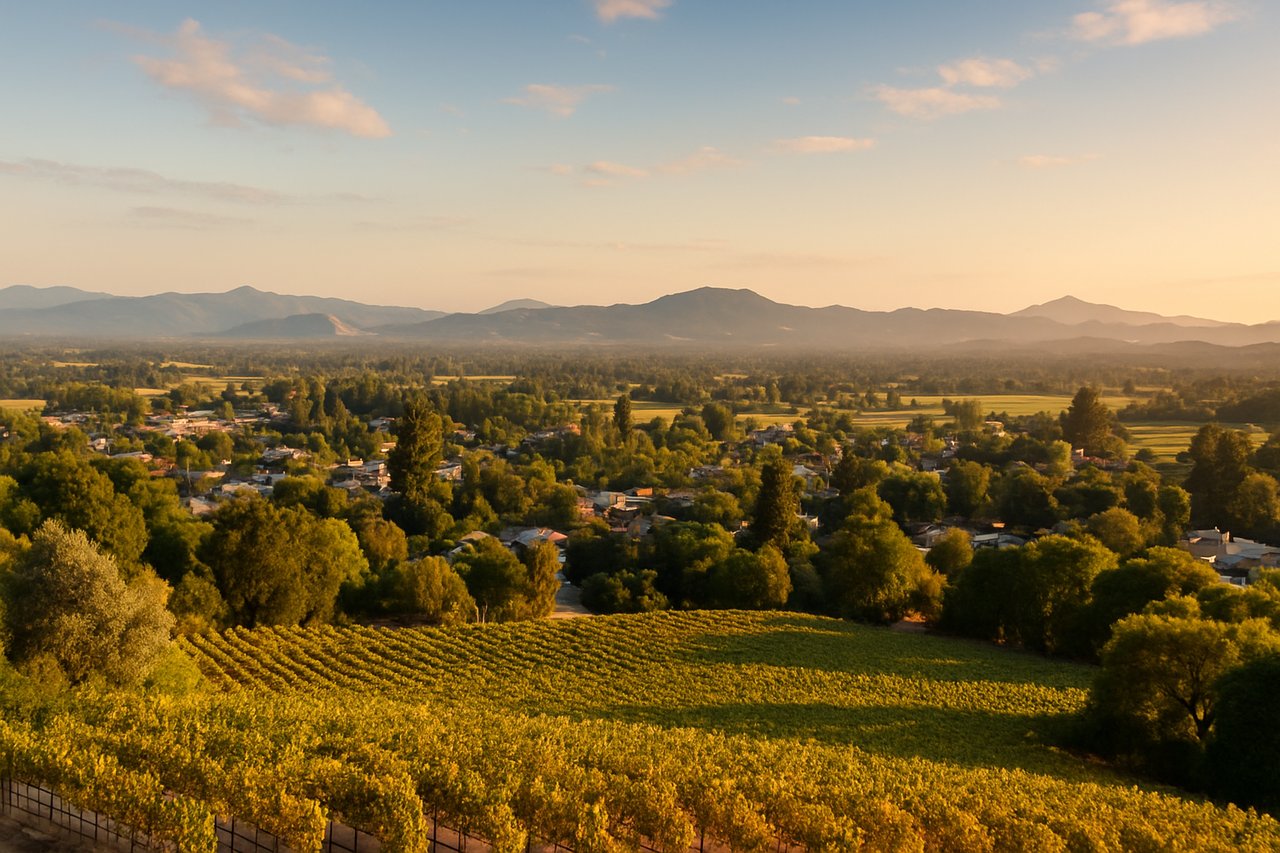

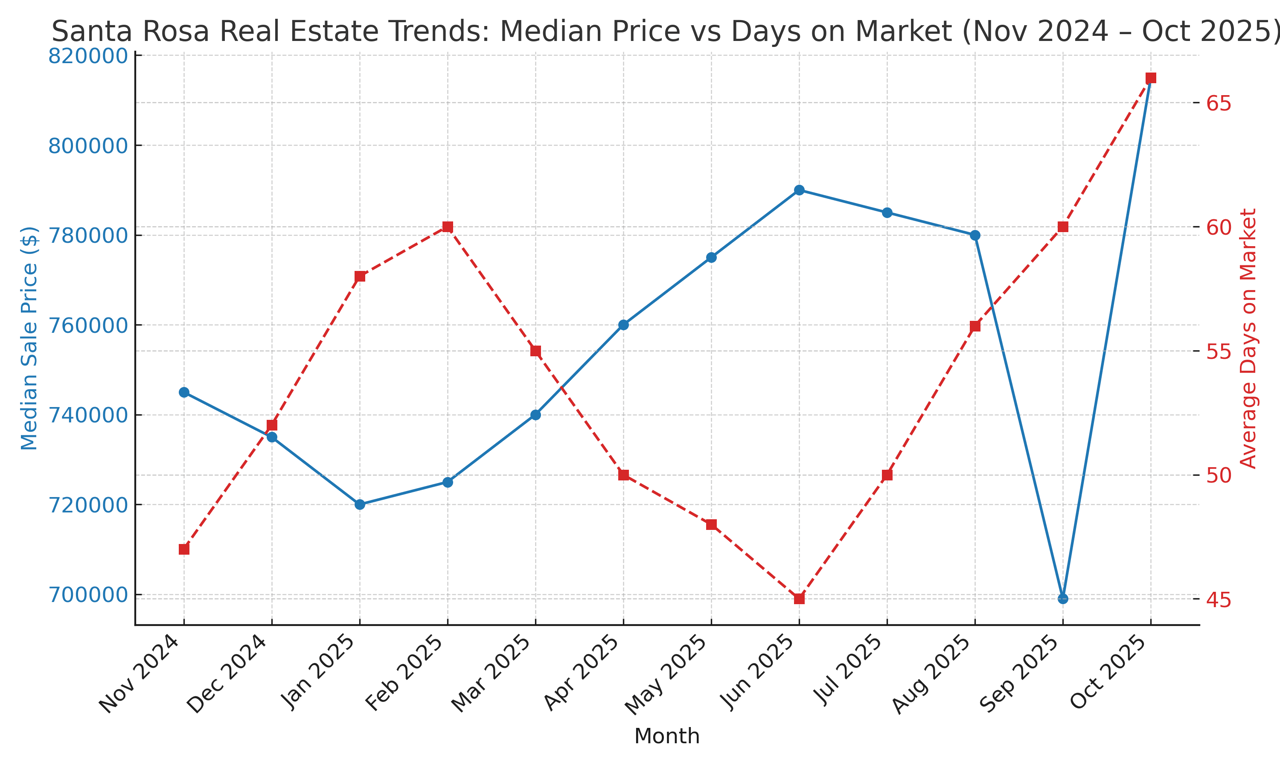
Less competition, motivated participants, and market insights for the season
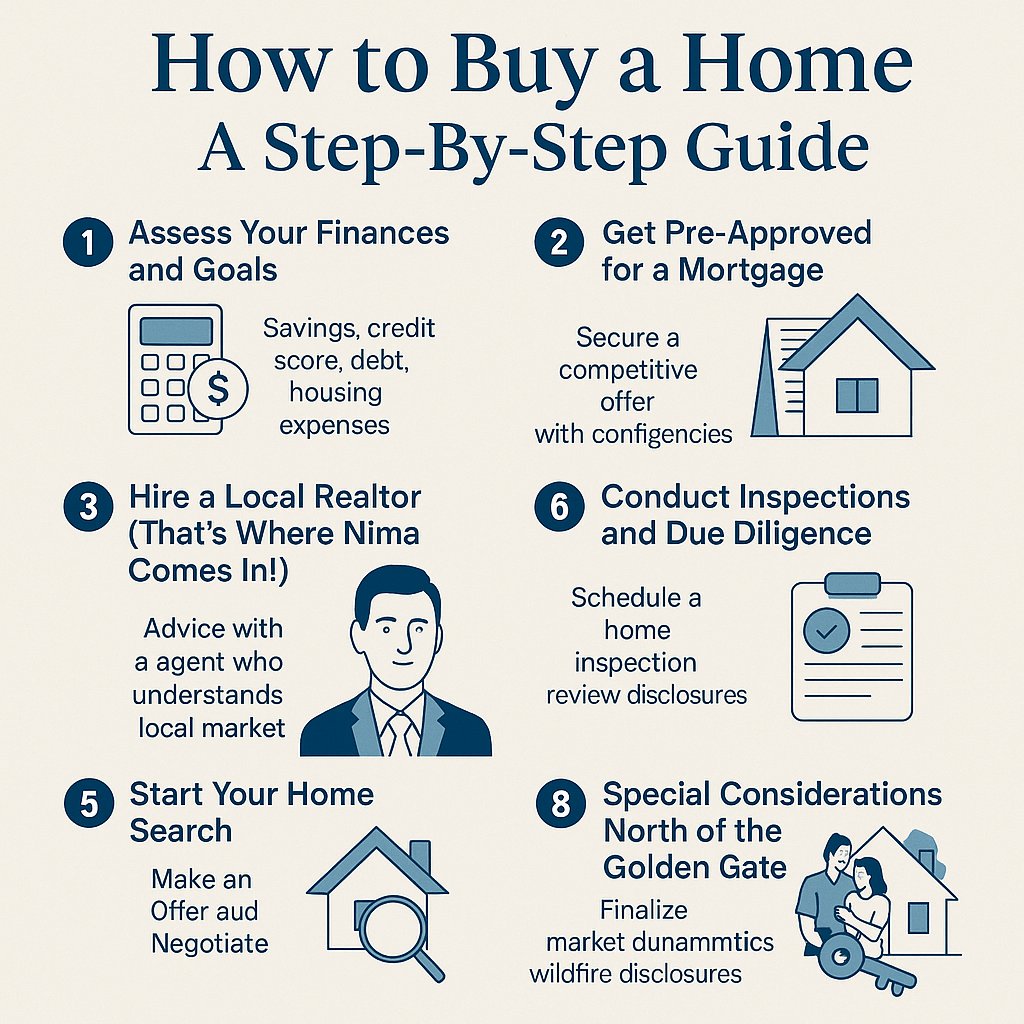
When to hire Nima, secure pre-approval, and navigate the North Bay market
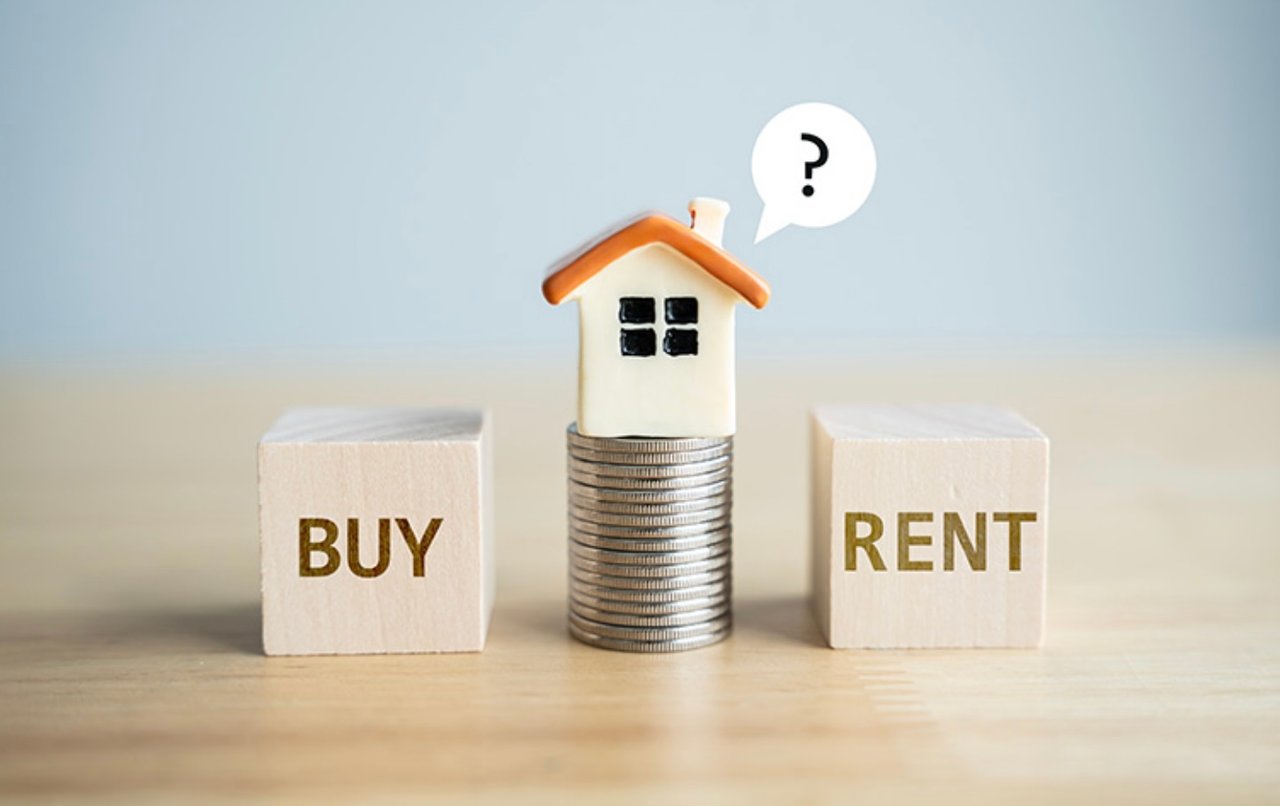
Exploring the pros and cons of homeownership versus renting across different time horizons
Whether you're buying, selling, or exploring options, Nima is dedicated to making the process smooth, informed, and rewarding. Reach out today for a personalized consultation and let’s make your real estate goals a reality!